UTMB Training Plan and Race Strategy
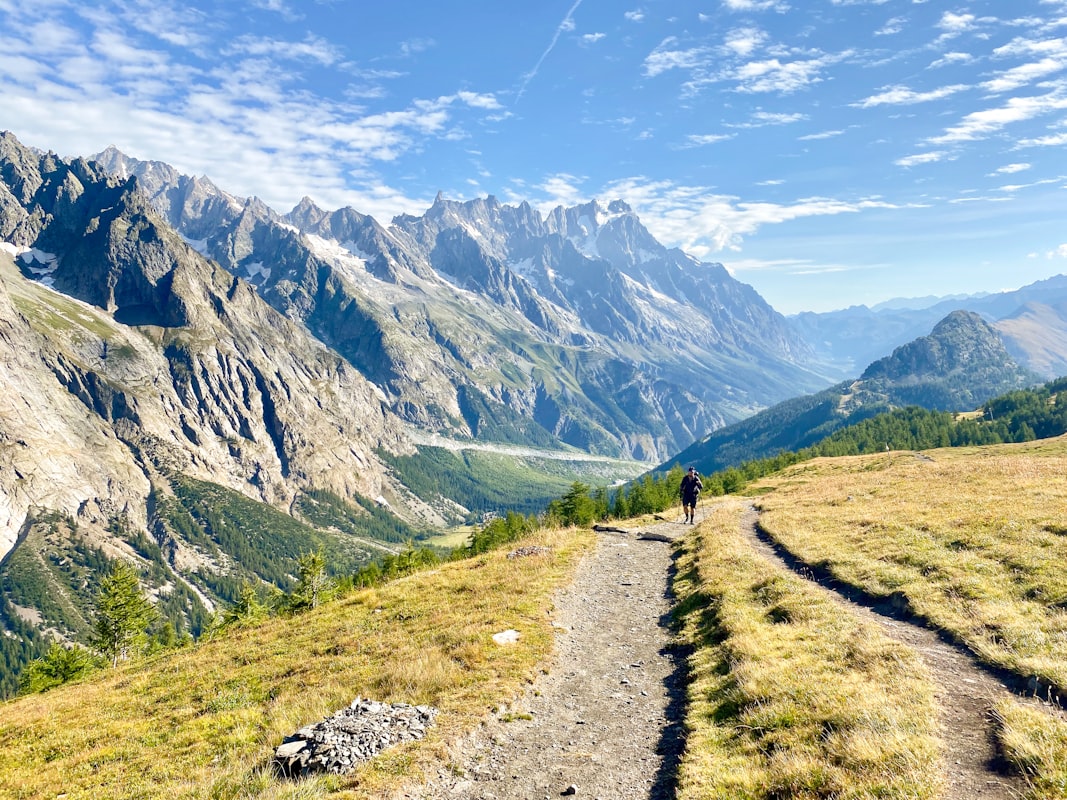
UTMB is not just a long race. It is a mountain test that asks for patience, efficiency, and the ability to keep making good decisions when the course gets steep, technical, and unpredictable. The Ultra-Trail du Mont-Blanc starts and finishes in Chamonix, France, and the classic route circles the Mont Blanc area through France, Italy, and Switzerland. With roughly 170 kilometers and about 10,000 meters of elevation gain, the challenge is as much about managing effort as it is about fitness.
If you are building toward UTMB, the goal is simple: arrive with enough base mileage, enough climbing strength, and enough practice running on tired legs to stay composed deep into the race. This plan is about preparing for the demands of a high-alpine trail event, not chasing speed on flat ground.
Race Facts
Build for the Course, Not the Calendar
UTMB rewards runners who train for the course profile. The route includes major mountain climbs and descents, steep sections, and technical terrain. That means your training needs to reflect the race itself: long efforts on trails, repeated climbing, controlled descending, and long days on your feet.
- Prioritize base mileage so you can absorb the long duration of the race.
- Include sustained climbing in training to prepare for the repeated uphill work.
- Practice descending while staying relaxed and in control.
- Spend time on technical terrain so foot placement becomes automatic.
- Use long trail runs to rehearse effort management, not just distance.
A strong UTMB build should feel specific. If your training is mostly flat or mostly fast, you may have fitness, but not the kind the course demands. The race asks for strength on climbs, economy on descents, and the ability to keep moving when the terrain is rough and the legs are already tired.
Pacing: Start Easier Than You Think
UTMB is a race where early restraint matters. With such a long mountain course, the best pacing strategy is usually conservative from the start. The runners who do best are often the ones who avoid turning the opening hours into a surge-fest. Save your effort for the climbs that matter and the later stages where fatigue becomes the real opponent.
- Keep the first section controlled, even if the field moves quickly.
- Run by effort on climbs rather than forcing a pace target.
- Use descents to make steady progress, not to overstride and trash your quads.
- Aim for smooth, repeatable effort instead of emotional surges.
- Expect your pacing to change with terrain, weather, and fatigue.
Negative splits are not the main goal in a mountain ultra, but the idea behind them still matters: protect your energy early so you can stay competitive later. If you go out too hard on the climbs or attack the early miles, the steep terrain will collect that debt quickly.
Fueling for a Long Mountain Day
Fueling at UTMB is about consistency. The race is long enough that small mistakes add up, especially when climbing, descending, and changing conditions make eating harder. Plan to fuel before you feel empty, and keep your nutrition routine simple enough to repeat under stress.
- Practice your fueling plan in training, not just on race day.
- Eat and drink on a schedule rather than waiting for hunger or thirst.
- Use long runs to test what works while moving uphill and downhill.
- Keep backup options in case one food stops sounding good late in the race.
- Make fueling part of your pacing plan so effort and intake stay aligned.
Because UTMB is so long and so demanding, runners often make the mistake of underfueling early and trying to catch up later. That usually backfires. A steadier approach is better: small, repeatable intake, early and often, with enough discipline to keep it going when the race gets hard.
Weather and Gear Choices
Late August in the Mont Blanc massif can still bring a wide range of conditions. Runners may face warm valley temperatures, cold nights, rain, wind, fog, or even snow at higher elevations. That means your race plan should assume change, not stability.
- Prepare for temperature swings between valley sections and higher ground.
- Expect visibility to change quickly in fog or cloud.
- Be ready for wet, windy conditions even if the start feels mild.
- Think in layers so you can adapt as the race moves through different elevations.
- Test your kit in training under different conditions before race week.
The key is not to overcomplicate your kit strategy. You want gear that helps you stay comfortable and functional when the weather shifts. In a race like this, being prepared for cold or wet conditions is not pessimism; it is practical mountain racing.
Logistics That Save Energy
UTMB is a prestigious and highly competitive event, which means logistics matter. The more smoothly you handle the practical side, the more mental energy you preserve for the race itself. Chamonix is the center of it all, so your pre-race routine should be organized well before the start.
- Arrive with enough time to settle in before race day.
- Know your start and finish location in Chamonix.
- Study the route so the major mountain sections do not surprise you.
- Understand where notable points like Courmayeur and Champex-Lac sit in the overall flow of the course.
- Keep your race-day plan simple so you are not making too many decisions under stress.
Good logistics are about reducing friction. When the race is already asking for patience and concentration, the last thing you need is avoidable confusion. A calm, organized pre-race setup helps you begin the day with a clear head.
Common Mistakes to Avoid
UTMB punishes impatience. The most common mistakes are rarely dramatic; they are usually small errors that stack up over many hours. If you can avoid these, you give yourself a much better chance of staying in the race mentally and physically.
- Starting too fast because the opening energy feels exciting.
- Training too little on climbs, descents, or technical terrain.
- Ignoring weather changes and assuming conditions will stay mild.
- Underfueling early and waiting until damage is already done.
- Treating the race like a road marathon instead of a mountain ultra.
Another mistake is overcommitting to one pace target. UTMB is too variable for that. Terrain, elevation, and weather all change how hard the effort feels. A smart runner adapts to the course instead of fighting it.
FAQs
How should I train differently for UTMB compared with a road marathon?
Train for climbing, descending, and technical trail running instead of focusing only on flat speed. UTMB is a mountain trail race with steep climbs, long descents, and changing conditions, so your training should reflect those demands. Base mileage still matters, but it needs to be supported by terrain-specific work.
What is the best pacing approach for UTMB?
Start conservatively and pace by effort, especially on climbs. The course is long and mountainous, so going out too hard can cost you badly later. Smooth, controlled effort usually beats aggressive early racing.
How do I handle the weather at UTMB?
Prepare for a wide range of conditions. Late August can still bring warm valley temperatures, but also cold nights, rain, wind, fog, or snow at higher elevations. Your gear and mindset should both be ready to adjust.
What should I focus on nutritionally during the race?
Focus on steady, repeatable fueling. Practice your plan in training and keep eating and drinking on schedule rather than waiting until you feel depleted. In a race this long, consistency matters more than perfection.
What is the biggest mistake runners make at UTMB?
Starting too aggressively is one of the biggest mistakes. UTMB is a long mountain race, and the early excitement can tempt runners into spending too much energy before the hardest sections and later fatigue arrive.
Key Takeaways: Train for the mountains, not the road. Pace conservatively, fuel early and often, and prepare for changing weather. UTMB rewards patience, preparation, and a calm approach from start to finish.
| Key Fact | Details |
|---|---|
| Race | Ultra-Trail du Mont-Blanc (UTMB) |
| Start / Finish | Chamonix, France |
| Typical Timing | Late August |
| Course Type | Mountain trail race |
| Approximate Distance | 170 kilometers |
| Approximate Elevation Gain | 10,000 meters |
| Countries on Route | France, Italy, Switzerland |
| Notable Locations | Courmayeur and Champex-Lac |
Frequently Asked Questions
Race with your
Inner Circle.
Create custom races and hear your friends' voice notes play automatically as you run. Real-time motivation from the people who matter most.