
The Ultimate Marathon Training Guide 2026

In 2026, marathon training has evolved from mere "mileage accumulation" into a sophisticated physiological adaptation protocol. Today's runners are no longer just logging miles; they are managing training load, metabolic heart rate zones, and cognitive resilience.
Whether you are aiming for a sub-3-hour finish or looking to complete your first 26.2 miles, understanding the architecture of a modern training cycle is critical. This guide breaks down the 2026 standards for endurance preparation, recovery science, and the mental fortitude required to conquer the distance.
"Training is the process of teaching your body that 'impossible' was just a baseline. In 2026, we don't just run; we adapt."
2026 Adaptation Phase Matrix
| Training Phase | Primary Intensity | Recovery Priority | 2026 Focus |
|---|---|---|---|
| Base Build | Zone 2 (80%) | High Sleep Volume | Mito-Density |
| Strength/Build | Hill Repeats / Tempo | Daily Mobility | Tendon Health |
| Peak Endurance | Race Pace Intervals | Anti-Inflammatory | Glycogen Cap |
| Taper Phase | Low Volume/High Int. | Max Hydration | Neural Snap |
The Four Phases of the 2026 Protocol
A balanced 20-week marathon cycle is divided into four distinct phases, each serving a specific physiological purpose. Skipping or rushing through any of these can lead to biomechanical failure or metabolic burnout.
Phase 1: Physiological Base Building (Weeks 1-6)
The goal is mitochondrial density. By keeping 80% of your runs in Zone 2 (easy conversational pace), you force your heart to become a more efficient pump and your muscles to become better at using oxygen.
Phase 2: The Strength & Build Cycle (Weeks 7-12)
This is where we introduce muscular durability. You’ll incorporate hill repeats and tempo runs that sit just below your lactate threshold. In 2026, we emphasize "pre-hab"—strength training specifically for the gluteus medius and soleus to prevent common injuries like runner's knee or Achilles tendonitis.
Phase 3: Peak Endurance & Race Readiness (Weeks 13-17)
The volume reaches its zenith here. Your long runs are no longer just about distance; they are dress rehearsals. This is when you test your 2026 carbon-plated shoes, your hydration vest, and your electrolyte balance. You should be hitting roughly 85-90% of your peak weekly mileage during this window.
Phase 4: The Scientific Taper (Weeks 18-20)
Tapering is not "resting"—it's allowing for super-compensation. You reduce volume by 30-50% while maintaining intensity. This allows your glycogen stores to saturate and your damaged muscle fibers to fully repair, ensuring you hit the start line with "fresh legs."
Mastering the Long Run
The weekly long run is the soul of marathon training. In 2026, we utilize negative-split long runs, where the second half of the run is executed slightly faster than the first. This teaches your brain and body to work harder when fatigue is present, mirroring the experience of the final 10 kilometers of a race.
During these runs, practicing cognitive dissociation is key. This is a mental technique where you focus on external stimuli (like specialized audio motivation) to lower your subjective Rate of Perceived Exertion (RPE).
Mental Resilience and The Wall
"The Wall" usually occurs at kilometer 32 (mile 20) when your liver's glycogen stores are nearly empty. In 2026, overcoming this isn't just about nutrition; it's about neuroplasticity. Training your mind to view discomfort as transient "data" rather than a signal to stop is what separates finishers from those who DNF.
The 2026 Marathon Checklist
- Biomechanical Health: At least two sessions of heavy resistance training per week.
- Gear Validation: Shoes must have between 50 and 150 miles on them before race day.
- Recovery Tech: Use of pneumatic compression or infrared heat for peripheral blood flow.
- Motivation Strategy: Pre-programmed audio cues for the "danger zones" of the race.

Featured Gear
Speed Work

Featured Gear
Vertical Base

Featured Gear
Recovery Focus
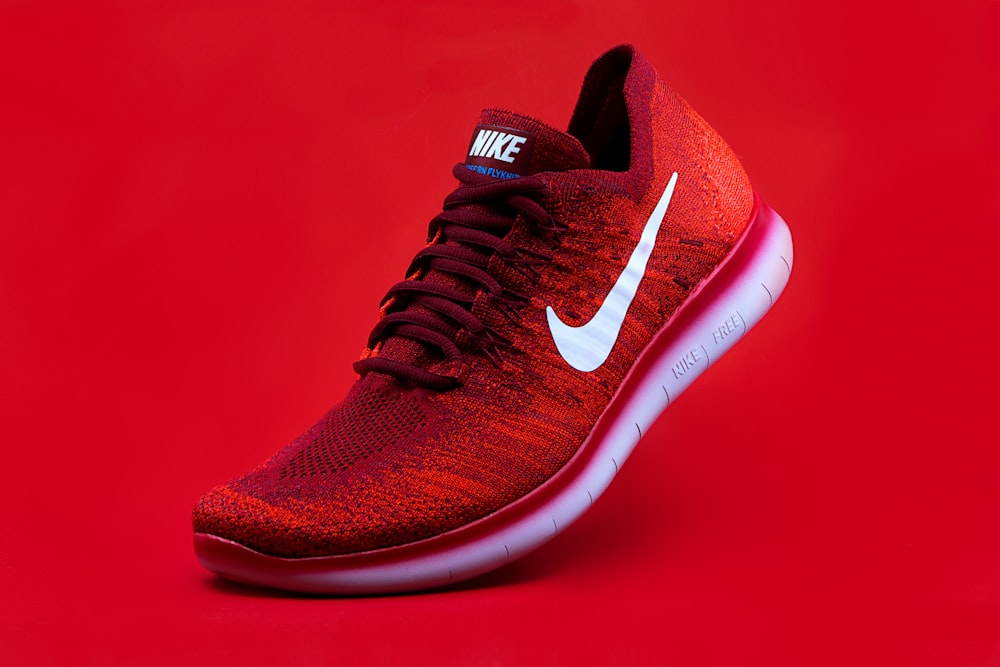
Featured Gear
Gear Prep

Featured Gear
Shared Miles

Featured Gear
Muscle Durability
Training FAQs
Final Thoughts: The 2026 Competitive Edge
Marathon training is a journey that changes you. It requires more than just physical strength; it requires a willingness to plan, a commitment to recover, and the mental toughness to keep moving when your body says otherwise. By following a structured protocol and leveraging modern recovery and motivational tools, you aren't just running a race—you are evolving as an athlete.
Race with your
Inner Circle.
Create custom races and hear your friends' voice notes play automatically as you run. Real-time motivation from the people who matter most.