
Advanced Strength Training for Runners 2026
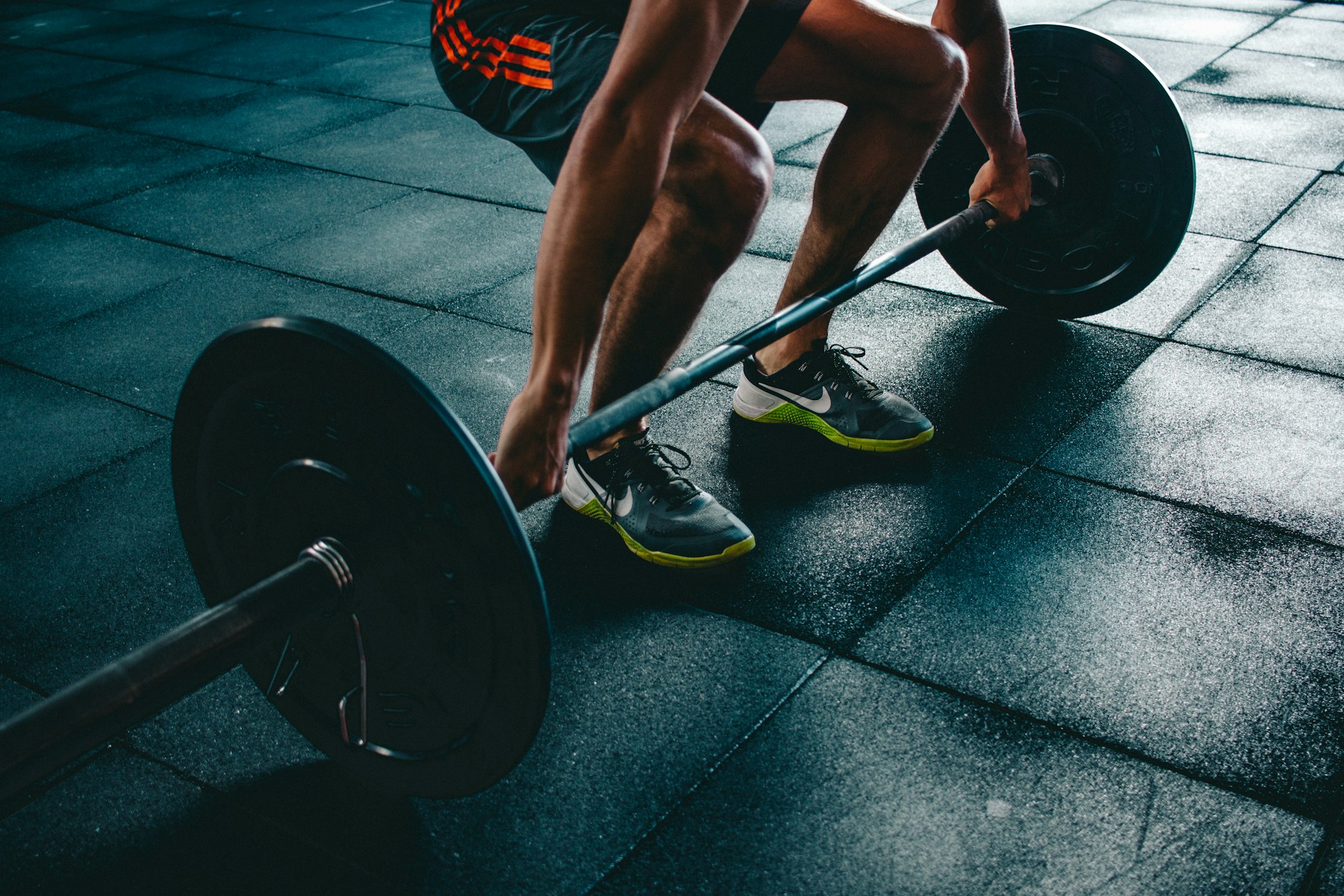
In 2026, we've firmly debunked the myth that runners shouldn't lift heavy. Strength training is no longer about "toning" or high-repetition light weights. Today's elite marathon protocols utilize heavy resistance training and explosive plyometrics to improve running economy and build a chassis that can withstand the thousands of high-impact landing cycles of a race.
Running is a series of single-leg hops. Every time your foot hits the ground, you must absorb 2.5 to 3 times your body weight. This guide explores the 2026 research on tendon stiffness, neuromuscular recruitment, and the kinetic chain mechanics that turn a good runner into a resilient, powerful athlete.
"A strong runner is a durable runner. In 2026, we don't lift to look better; we lift to run longer and faster without breaking."
2026 Chassis Development Matrix
| Training Phase | Lifting Focus | Key Exercise | Economic Gain |
|---|---|---|---|
| Base Build | Hypertrophy (Quality) | Rear Foot Split Squat | +2% Efficiency |
| Peak Power | Tendon Stiffness | Max Force Deadlift | +5% Economy |
| Speed/Plyo | Reactive Strength | Continuous Pogo Hops | +3% Velocity |
| Taper/Maint. | Neuromuscular Snap | Explosive Box Jumps | Peak Readiness |
The Science of Tendon Stiffness
One of the primary benefits of heavy lifting for runners in 2026 is the improvement of tendon stiffness. Stiffer tendons allow your body to store more elastic energy during the landing phase of your stride and release it during the toe-off. This "free energy" reduces the amount of metabolic work your muscles have to do, effectively improving your running economy by 2-5%.
To achieve this, we focus on low-repetition (3-6 reps), high-intensity sets. This recruits high-threshold motor units and increases the cross-sectional strength of the connective tissues without adding significant muscle mass that would hinder endurance performance.
The 2026 Essential Chassis Exercises
- Single-Leg Rear Foot Elevated Split Squats: The gold standard for correcting bilateral imbalances and improving knee stability.
- Heavy Soleus Raises: Your calf muscles take the brunt of the impact. Strengthening the soleus is the #1 way to prevent Achilles and plantar fascia issues.
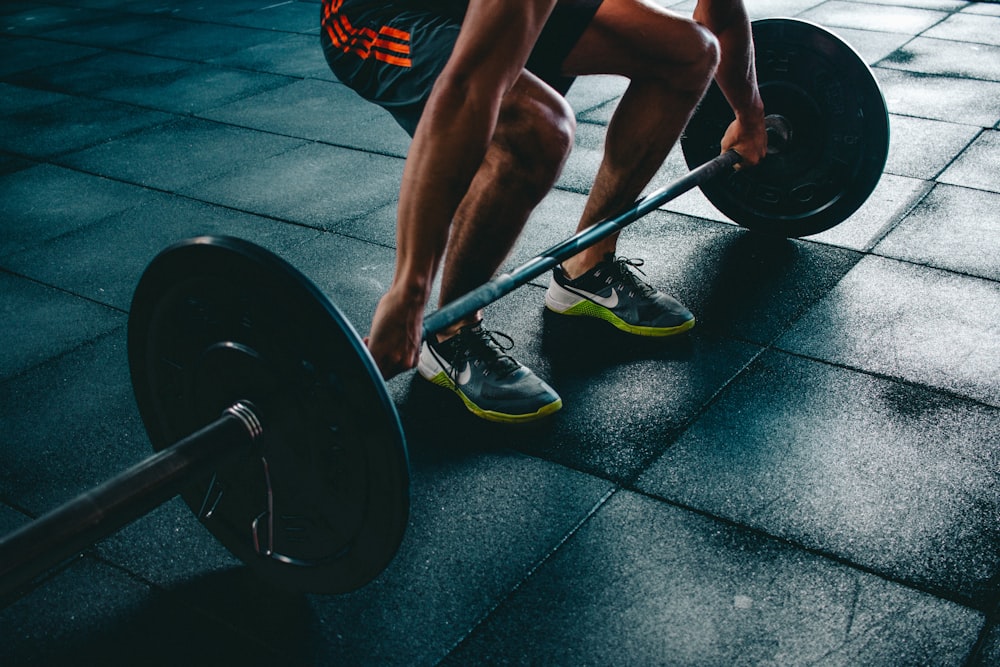
- Trap Bar Deadlifts: A posterior chain powerhouse that improves hip drive and lower back resilience.
- Pogo Jops: A plyometric exercise designed specifically to improve reactive strength and lower leg "pop."
Core Stability vs. Core Strength
In 2026, we differentiate between "core strength" (moving the spine) and core stability (preventing the spine from moving). A runner's core must resist rotation to keep the pelvis level. When your core fails around kilometer 35, your hips drop, your knees cave in, and your efficiency plummets.
We prioritize "Anti-Movement" exercises: Pallof presses, Renegade rows, and heavy Farmer’s Carries. These train the deep intrinsic muscles of the trunk to lock the torso into a powerful, stable pillar while the limbs move around it.
Integration: Hard Days Hard
A common mistake in 2026 is lifting on easy running days. To maximize recovery, we recommend the "Hard Days Hard" protocol. Perform your heavy lifting sessions on the same days as your speed work or tempo runs. This ensures that your easy days are truly dedicated to cellular repair and hormonal recovery, rather than constant low-level stress.
Featured Gear
Power Development

Featured Gear
Energy Transfer
Featured Gear
Kinetic Health

Featured Gear
Protein Priming
Featured Gear
Foundation First

Featured Gear
Uphill Drive
Strength Training FAQs
Race with your
Inner Circle.
Create custom races and hear your friends' voice notes play automatically as you run. Real-time motivation from the people who matter most.