
UTMB Training Plan and Race Strategy for Trail Runners
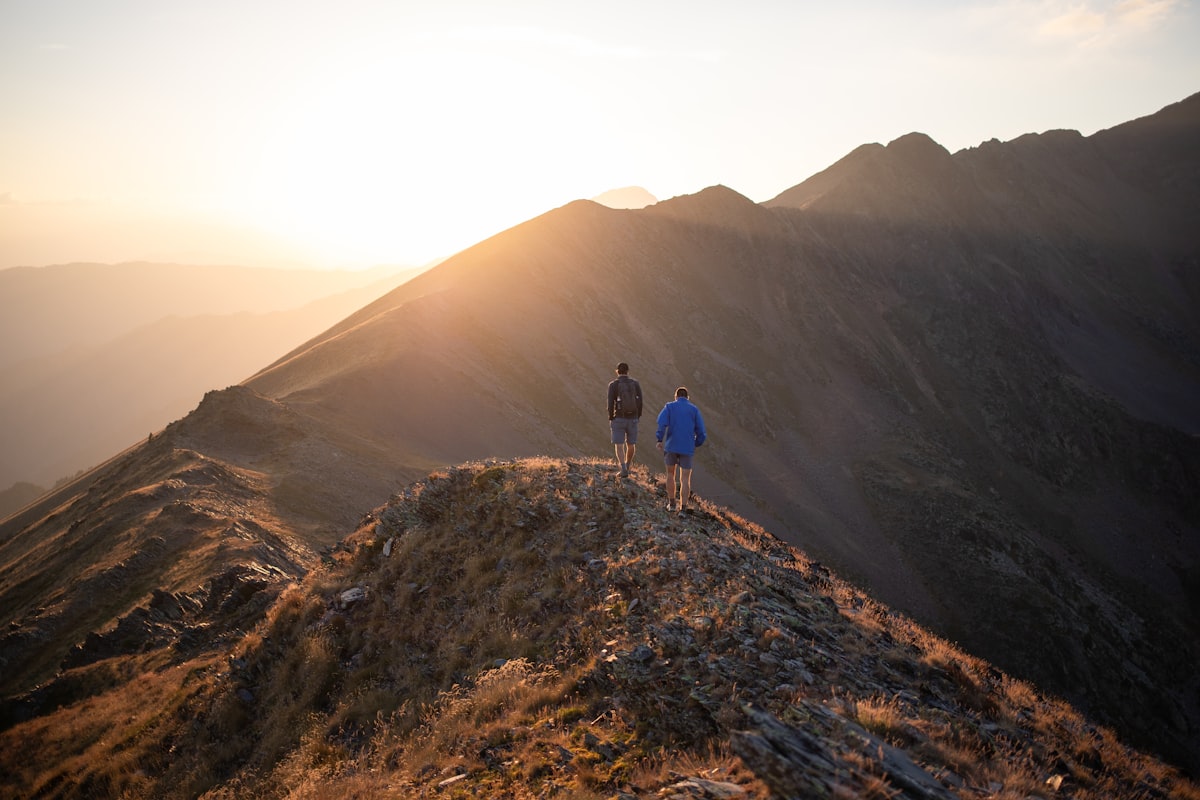
UTMB is not just a long race; it is a mountain endurance problem that rewards steady pacing, durable legs, smart fueling, and the ability to keep moving when the terrain gets ugly. A good UTMB build is less about chasing huge weekly mileage and more about preparing for hours of climbing, descending, hiking, and running on tired legs. If you train with that in mind, you give yourself a far better chance of finishing strong instead of surviving by accident.
What UTMB training really demands
UTMB asks for a mix of aerobic fitness, muscular endurance, and mountain-specific skill. You need enough base mileage to handle long days on your feet, but you also need strength for steep climbs, confidence on technical descents, and the discipline to keep effort low for many hours. Most runners get into trouble by training like it is a flatter ultra: too much steady running, not enough hiking, and not enough downhill conditioning.
- Aerobic base to stay efficient at easy effort for 20+ hours
- Climbing strength for long sustained ascents and power hiking
- Downhill resilience so quads do not collapse late in the race
- Fueling practice so you can absorb calories under fatigue
- Technical footing and pole skills for rocky, steep, variable terrain
If you are new to mountain ultras, spend more time building durability than chasing pace. UTMB rewards runners who can keep moving, not runners who can hit one impressive workout.
Base phase: build aerobic durability
The base phase should last about 8 to 12 weeks and focus on getting your body ready for consistent training. This is where you build the engine and the tissues that will survive the harder work later. Weekly mileage often sits around 40 to 70 km, or 25 to 45 miles, depending on your background. The goal is not hero workouts; it is repeatable training with a lot of easy running, hiking, and gentle elevation gain.
- Run mostly easy, conversational effort
- Add one or two hill hikes each week to strengthen climbing muscles
- Use short strides or light fartlek to keep leg turnover alive
- Include basic strength work for calves, glutes, hamstrings, and core
- Keep technical trail exposure low to moderate so you learn without overloading
In this phase, long runs should feel controlled. A 2 to 4 hour mountain outing can be more valuable than a faster road half marathon effort because it teaches you to stay relaxed on uneven ground. If you are coming from road marathon training, expect your pace to slow dramatically. That is normal. The adaptation you want is durability, not speed.
Build phase: add climbing and specificity
The build phase usually lasts 8 to 12 weeks and is where UTMB training becomes more specific. Weekly mileage often rises into the 60 to 100 km range, or 35 to 60 miles, with more vert, more technical trail time, and longer sustained efforts. This is the time to shift from general fitness to race-like demands. The key is controlled progression: add volume or elevation, not both aggressively in the same week.
- One climbing-focused workout per week, such as sustained uphill tempo efforts
- One downhill-focused session every 7 to 14 days to condition the quads
- One long trail run with significant hiking and fueling practice
- One medium-long run on tired legs to build fatigue resistance
- Consistent easy running between quality sessions
A useful rule: if the race is mountain-heavy, your training week should also be mountain-heavy. That does not mean every run needs to be a sufferfest. It means you should regularly practice the exact movement patterns you will use on race day: hiking steep grades, running smooth descents, and staying efficient when the trail is rough.
Peak phase: race-specific long runs and fatigue resistance
The peak phase is usually 4 to 6 weeks long and should contain your most specific training. Weekly mileage can reach 80 to 120+ km, or 50 to 75+ miles, for experienced runners who are handling the load well. More important than the number is how the work fits together. This is where back-to-back long days, big climbing blocks, and technical descents matter most.
- Back-to-back long runs to simulate late-race fatigue
- Long mountain outings that include extended hiking and descending
- Controlled tempo climbs to practice sustained effort under load
- Race-gear rehearsals with shoes, vest, poles, and fueling setup
- At least one session that finishes with tired legs and steady effort
The biggest mistake in peak training is treating every long run like a test. You do not need to prove your fitness every weekend. Instead, aim for a few high-quality specific days that leave you tired but functional. If you can finish a long mountain run, recover, and then run well the next day, you are building the exact kind of resilience UTMB requires.
Weekly mileage progression that makes sense
There is no perfect UTMB mileage number, but the progression should be gradual and honest about your background. A runner with strong marathon experience but limited mountain running may need less total mileage and more vert. A seasoned trail runner may handle higher volume sooner. The safest pattern is to build in small steps, then absorb the work before pushing again.
Do not increase mileage and vertical gain aggressively at the same time unless you already know your body tolerates it. A safer progression is to add one stressor, hold it for a few weeks, then adjust. For many runners, the real limiter is not cardiovascular fitness but the ability of the calves, quads, feet, and connective tissue to handle repeated mountain loads.
Key workouts for UTMB fitness
UTMB-specific fitness comes from workouts that teach you to climb efficiently, descend safely, and keep effort under control. The best sessions are not all-out efforts; they are controlled, repeatable, and tied to the demands of the course. You want enough intensity to improve, but not so much that you sabotage the rest of the week.
- Uphill tempo: 20 to 60 minutes of steady climbing at controlled hard effort
- Hill repeats: short to medium climbs for strength and running economy
- Downhill reps: smooth, fast descents to build quad tolerance and footwork
- Fartlek on trails: variable effort to mimic course changes without overcooking
- Long steady climb blocks: 30 to 90 minutes of hiking/running at easy to moderate effort
A very effective combo is one uphill tempo session early in the week and one long mountain run on the weekend. If you add intervals, keep them modest and controlled. You are not training for a 10K; you are training for a race where the ability to stay economical matters more than raw speed.
Long runs, back-to-backs, and fueling practice
For UTMB, long runs are about fatigue resistance, not just distance. A single huge run can leave you too damaged to train well the rest of the week. Back-to-back long days are often better because they teach you to move efficiently on tired legs without creating one massive recovery hole. Think of them as rehearsals for the later stages of the race.
- Use long mountain runs of 3 to 6 hours, depending on experience
- Pair a long Saturday with a medium-long Sunday during peak blocks
- Practice power hiking on steep grades instead of forcing every climb to be run
- Fuel every long run as if it were race day
- Test what your stomach tolerates when breathing hard and descending
Fueling practice should be specific and boring. Pick a carb target you can actually tolerate and repeat it on long runs until it feels automatic. Many runners do well with roughly 60 to 90 grams of carbohydrate per hour, but the right number is the one your stomach can handle consistently. Also practice sipping fluids early, not waiting until you feel dry or crampy.
Taper and race-day readiness
A good taper is what turns fitness into performance. Over the final 2 to 3 weeks, reduce volume substantially while keeping a little intensity so your legs stay responsive. The goal is to arrive fresh, not flat. Many runners make the mistake of squeezing in one last monster week and then carrying fatigue to the start line.
- Cut overall volume by about 30 to 60 percent
- Keep short uphill efforts or strides to stay sharp
- Reduce downhill pounding and avoid new terrain
- Prioritize sleep, food, and easy movement
- Confirm your pacing, fueling, and gear plan before race week
Race-day readiness starts before the taper ends. You should know your opening pace, your hiking strategy on steep climbs, and how often you will eat and drink. You should also know what effort feels like when you are fresh so you can recognize when you are drifting too hard early. UTMB is won by discipline in the first half and resilience in the second.
Key Takeaways
- Train for UTMB with phases: base, build, peak, and taper.
- Prioritize climbing strength, downhill durability, and power hiking over flat speed.
- Use long mountain runs and back-to-back days to build fatigue resistance.
- Keep mileage progression gradual and let vertical gain rise with control.
- Practice fueling, poles, and race gear during long runs so nothing is new on race day.
- Taper enough to feel fresh, but keep a little intensity to stay sharp.
| Phase | Typical Duration | Weekly Mileage | Main Focus | Key Sessions |
|---|---|---|---|---|
| Base | 8-12 weeks | 40-70 km / 25-45 mi | Aerobic durability and hiking strength | Easy runs, hill hikes, strides, strength work |
| Build | 8-12 weeks | 60-100 km / 35-60 mi | Climbing, descending, and sustained effort | Uphill tempo, downhill reps, long trail run |
| Peak | 4-6 weeks | 80-120+ km / 50-75+ mi | Race specificity and fatigue resistance | Back-to-back long runs, big vert days, gear rehearsals |
| Taper | 2-3 weeks | Reduced by 30-60% | Freshness while keeping sharpness | Short strides, light hill work, easy runs |
Frequently Asked Questions
Race with your
Inner Circle.
Create custom races and hear your friends' voice notes play automatically as you run. Real-time motivation from the people who matter most.