
Trail Running Nutrition for Ultramarathons
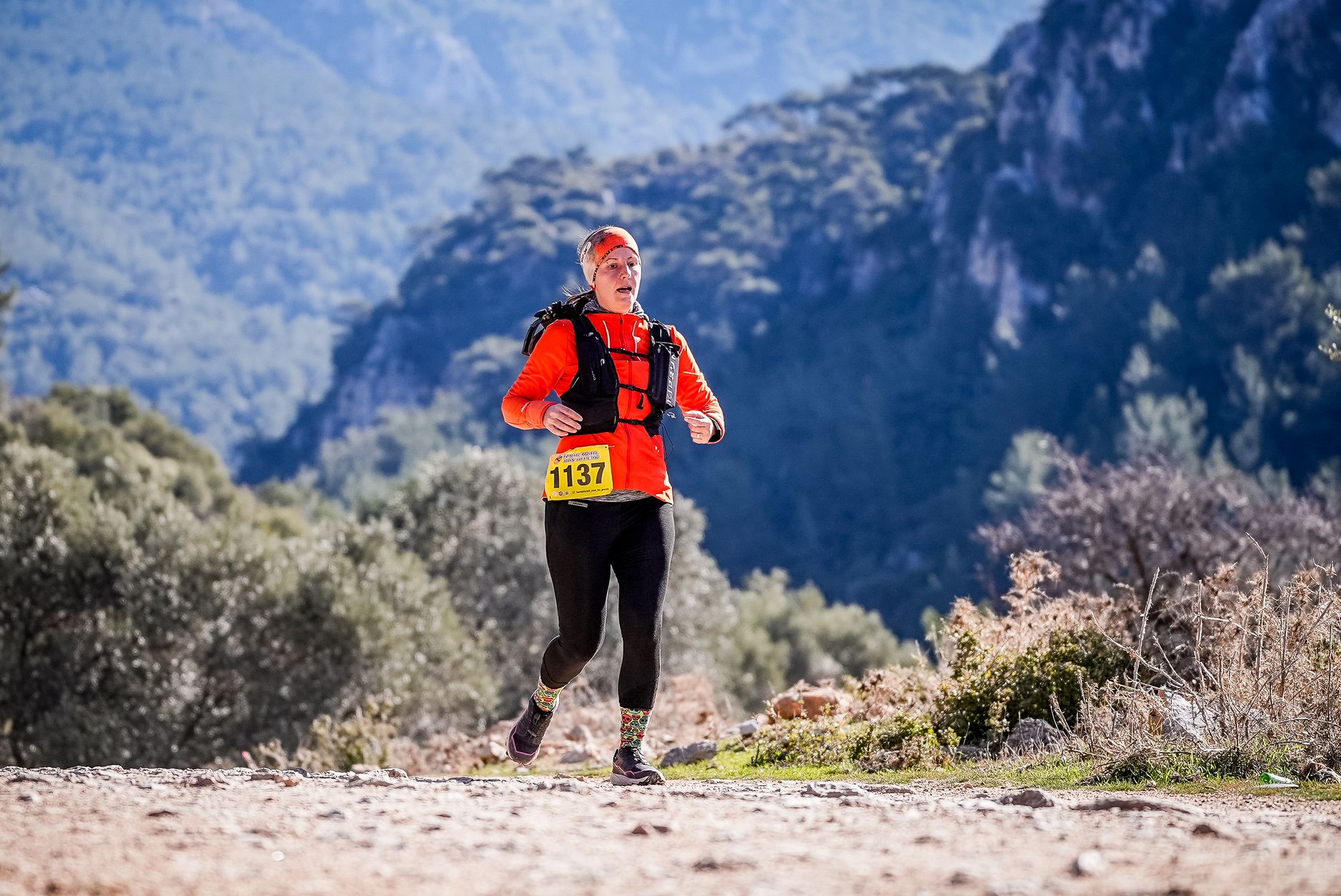
When it comes to ultramarathon trail running, nutrition plays a critical role in your performance and recovery. Unlike shorter races, ultramarathons demand a well-thought-out nutrition strategy to ensure you have the energy to tackle varying terrains and long distances. In this guide, we will delve into the essential components of trail running nutrition for ultramarathons, including fueling strategies, hydration, food choices, and timing.
Understanding Energy Needs for Ultramarathons
During an ultramarathon, your body requires significantly more energy than during shorter races. On average, ultrarunners burn between 100-150 calories per mile, depending on their weight, pace, and terrain. To maintain optimal performance, you'll need to consume approximately 200-300 calories per hour. This can vary based on individual metabolism and race conditions.
Key Nutrients for Trail Running
Balancing macronutrients is essential for ultramarathon nutrition. Here are the key nutrients to focus on:
- Carbohydrates: Aim for 60-70% of your total caloric intake. Opt for easily digestible carbs like energy gels, chews, and bananas.
- Proteins: Include about 10-15% of your diet from protein sources to help repair muscles. Consider options like nut butter, protein bars, or jerky.
- Fats: The remaining 20-30% should come from healthy fats such as nut butters, avocados, and seeds, providing long-lasting energy.
Hydration Strategies for Ultramarathons
Proper hydration is paramount in ultramarathons, especially on trails where conditions can vary. Dehydration can lead to fatigue, impaired performance, and even serious health issues.
- Pre-Race: Start hydrating well before race day. Aim for at least 16-24 ounces of water or electrolyte drinks 1-2 hours before the race.
- During the Race: Drink according to your thirst but aim for about 20-24 ounces of fluid per hour. Include electrolyte drinks to replenish lost sodium.
- Post-Race: Rehydrate with water or sports drinks. A good rule is to drink about 16-20 ounces for every pound lost during the race.
Choosing the Right Foods for Fueling
The types of food you consume during training and the race can greatly impact your performance. Here are some effective options:
- Energy Gels: Convenient and easy to digest; aim for brands that include electrolytes.
- Energy Chews: Provide a more substantial option if you prefer chewing over swallowing gels.
- Fruits: Bananas and dried fruits are excellent for quick energy and easy digestion.
- Nut Butters: Great for added protein and healthy fats; consider single-serve packs for convenience.
- Trail Mix: A mix of nuts, seeds, and dried fruits can provide a balanced source of energy.
Timing Your Nutrition
Eating at the right times before and during the ultramarathon can make a significant difference in your performance.
- Pre-Race Meal: Focus on a high-carb meal 3-4 hours before the race. Avoid high-fiber and fatty foods to minimize gastrointestinal issues.
- During the Race: Start fueling within the first hour of the race, consuming 200-300 calories every hour thereafter. Use a mix of solid and liquid nutrition.
- Post-Race: Within 30 minutes of finishing, consume a recovery meal rich in carbs and protein to replenish energy stores and aid muscle recovery.
Common Nutrition Mistakes to Avoid
Being well-prepared with your nutrition can help you avoid common pitfalls. Here are some mistakes to watch out for:
- Over-Reliance on Sugary Gels: While carbs are essential, too many sugary products can lead to energy crashes. Balance with solid foods.
- Neglecting Electrolytes: Failing to replenish lost electrolytes can lead to cramps and fatigue. Don’t ignore your electrolyte drinks.
- Inadequate Hydration: Don’t wait until you’re thirsty to drink; keep a regular schedule for hydration.
Key Takeaways
Trail running nutrition for ultramarathons requires careful planning and execution. Key points to remember include understanding your energy needs, balancing macronutrients, hydrating properly, and timing your nutrition effectively. By avoiding common mistakes and being mindful of your food choices, you can enhance your performance and recovery on race day.
| Food Type | Calories | Key Nutrients |
|---|---|---|
| Energy Gel | 100 | Carbs, Electrolytes |
| Energy Chews | 150 | Carbs, Electrolytes |
| Banana | 105 | Carbs, Potassium |
| Nut Butter Pack | 190 | Fats, Protein |
| Trail Mix (1 oz) | 150 | Fats, Carbs, Protein |
Frequently Asked Questions
Race with your
Inner Circle.
Create custom races and hear your friends' voice notes play automatically as you run. Real-time motivation from the people who matter most.