
Your Smart Marathon Recovery Plan: What to Do Next
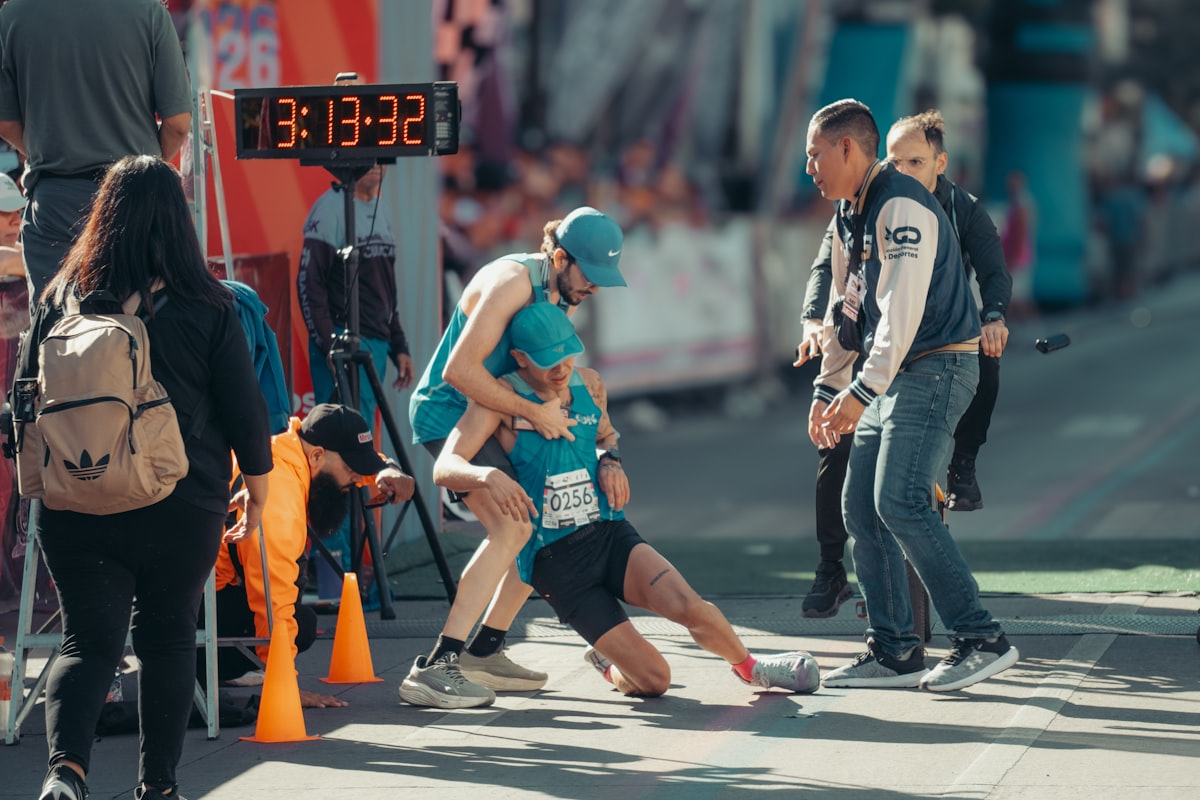
You did it! The marathon finish line is behind you, and that monumental achievement is now a part of your running story. While the training and the race itself demand incredible focus, the often-overlooked phase—recovery—is just as crucial. A smart recovery plan isn't about being lazy; it's about strategically allowing your body and mind to repair, rebuild, and come back stronger. Neglecting recovery can lead to injury, burnout, and a longer, more frustrating path back to your running routine.
This isn't just about resting your legs; it's a holistic approach to getting you back to feeling like yourself, ready for whatever your next running goal might be. Let's dive into a practical, actionable plan to navigate the days and weeks following your marathon.
Immediate Post-Race Actions: The First Few Hours
The moments immediately after crossing the finish line are critical for kickstarting your recovery. Your body is in a state of depletion and mild shock, so these steps are about damage control and setting the stage for repair.
- **Keep Moving Gently:** Don't stop dead in your tracks. Walk for at least 10-15 minutes to help flush lactic acid and prevent blood pooling in your legs. This gentle movement aids in a smoother transition from intense effort.
- **Rehydrate Aggressively:** Start sipping fluids immediately. Water, electrolyte drinks, or even a diluted sports drink are essential. Your body has lost significant fluids and electrolytes, and replenishing them is a top priority.
- **Refuel Smartly:** Aim for a mix of simple carbohydrates and protein within 30-60 minutes of finishing. Think a banana, a bagel with peanut butter, or a recovery shake. The carbs replenish glycogen stores, and protein helps begin muscle repair.
- **Stay Warm:** Your body temperature can drop quickly after stopping, especially if you're sweaty. Get into dry clothes and put on a warm layer, like a Mylar blanket or a hoodie, to prevent chills.
- **Elevate Your Legs:** Once you're settled, try to elevate your legs for 15-20 minutes. This can help reduce swelling and promote circulation. Just lie on your back and prop your feet up on a chair or wall.
Nutrition for Repair and Rebuilding: Days 1-3
Your immediate post-race snack was just the beginning. For the next few days, focus on nutrient-dense foods to fuel your body's extensive repair process. This is not the time for restrictive eating.
- **Prioritize Protein:** Aim for 20-30 grams of protein at each meal to support muscle repair. Lean meats, fish, eggs, dairy, legumes, and tofu are excellent sources.
- **Complex Carbohydrates:** Continue to replenish glycogen stores with foods like oats, sweet potatoes, brown rice, whole-grain bread, and plenty of fruits and vegetables. These also provide essential vitamins and minerals.
- **Healthy Fats:** Include sources like avocados, nuts, seeds, and olive oil to support overall health and reduce inflammation.
- **Anti-Inflammatory Foods:** Berries, leafy greens, turmeric, and ginger can help combat the systemic inflammation caused by the marathon.
- **Stay Hydrated:** Keep a water bottle handy and continue to drink throughout the day, even if you don't feel thirsty. Electrolyte-rich fluids can still be beneficial.
Gentle Movement and Active Rest: Week 1
While rest is paramount, complete immobility can sometimes hinder recovery by reducing blood flow. The goal is active recovery – gentle movement that promotes circulation without stressing your already taxed muscles.
- **Walking:** Short, easy walks (15-30 minutes) are your best friend. They help prevent stiffness and keep blood flowing to aid repair. Don't push the pace or distance.
- **Light Cycling or Swimming:** If you feel up to it, a very easy spin on a stationary bike or a gentle swim can be excellent low-impact options. Focus on easy effort, not intensity.
- **Stretching and Foam Rolling (Gentle):** Light, static stretching can help with flexibility. Be very gentle with foam rolling, as your muscles will be tender. Avoid deep tissue work immediately post-race.
- **Massage:** A light, restorative massage can be beneficial, but avoid deep tissue work for at least 3-5 days post-race when muscles are highly sensitive.
- **Listen to Your Body:** This is the golden rule. If something hurts, stop. If you're exhausted, rest. Your body will tell you what it needs.
Sleep: Your Ultimate Recovery Tool
Sleep is when your body does its most significant repair work. After a marathon, your sleep needs will be elevated. Don't fight it.
- **Prioritize Quantity:** Aim for 8-10 hours of sleep per night, or even more if your body demands it. Naps during the day can also be incredibly restorative.
- **Improve Quality:** Create a dark, quiet, and cool environment. Avoid screens before bed and try to maintain a consistent sleep schedule.
- **Be Patient:** You might find your sleep disrupted for a night or two post-race due to adrenaline or muscle soreness. That's normal. Focus on good sleep hygiene, and it will improve.
Mental Recovery and Reflection
The marathon isn't just physically taxing; it's a huge mental undertaking. Give your mind time to decompress and process the experience.
- **Celebrate Your Achievement:** Acknowledge the incredible feat you just accomplished. Share your stories, look at photos, and bask in your success.
- **Journal Your Experience:** Writing down your thoughts and feelings about the race, the training, and your recovery can be incredibly therapeutic.
- **Disconnect (If Needed):** If you feel overwhelmed by running-related content, take a break from social media or running forums. Give your mind a chance to rest.
- **Resist Immediate Goal Setting:** While it's tempting to jump into planning your next race, give yourself a mental break. Allow yourself to enjoy the present moment of accomplishment before looking ahead.
When to Run Again: A Gradual Return
This is perhaps the most challenging part for many runners – knowing when and how to get back into running. There's no one-size-fits-all answer, but a gradual approach is always best.
- **Week 1:** Complete rest from running. Focus on gentle walking, active recovery, and sleep.
- **Week 2:** You might introduce 1-3 very short, very easy runs (20-30 minutes) at a conversational pace. Keep the effort minimal. Some runners might still opt for non-impact cross-training.
- **Week 3:** Gradually increase run duration slightly (30-45 minutes) and perhaps add a fourth easy run. Still no speed work or intensity.
- **Week 4 and Beyond:** You can slowly start to increase mileage, but aim for no more than 10% increase week-over-week. Continue to listen to your body and prioritize easy effort. Full training loads will likely take 6-8 weeks, or even longer for some.
Remember, the 'rule of thumb' is often one day of recovery for every mile raced. For a marathon, that's 26 days of focused recovery before expecting to be back at full strength.
Common Recovery Mistakes to Avoid
Even with the best intentions, it's easy to fall into common traps that can derail your recovery.
- **Ignoring Pain:** Soreness is normal, sharp pain is not. Don't push through anything that feels like an injury. Seek professional advice if pain persists or worsens.
- **Rushing Back to Training:** The biggest mistake. Your body needs time to truly heal, not just feel 'better'. Resist the urge to jump back into hard workouts or long runs too soon.
- **Under-eating or Poor Nutrition:** Your body needs fuel to repair. Don't cut calories or neglect nutrients, even if your activity level is temporarily lower.
- **Dehydration:** Easy to forget once the race is over, but continued hydration is vital for all bodily functions, including recovery.
- **Comparing Your Recovery:** Everyone's recovery is unique. Don't get discouraged if a friend seems to bounce back faster. Focus on your own journey.
Key Takeaways for a Stronger Comeback
Your marathon achievement is monumental, and your recovery deserves the same dedication. By following a structured plan that prioritizes rest, smart nutrition, gentle movement, and mental well-being, you'll not only heal faster but also set yourself up for future success in running. Be patient, be kind to your body, and enjoy the well-deserved rest. You've earned it.
Frequently Asked Questions
Race with your
Inner Circle.
Create custom races and hear your friends' voice notes play automatically as you run. Real-time motivation from the people who matter most.