
Running Cadence Guide for Better Performance
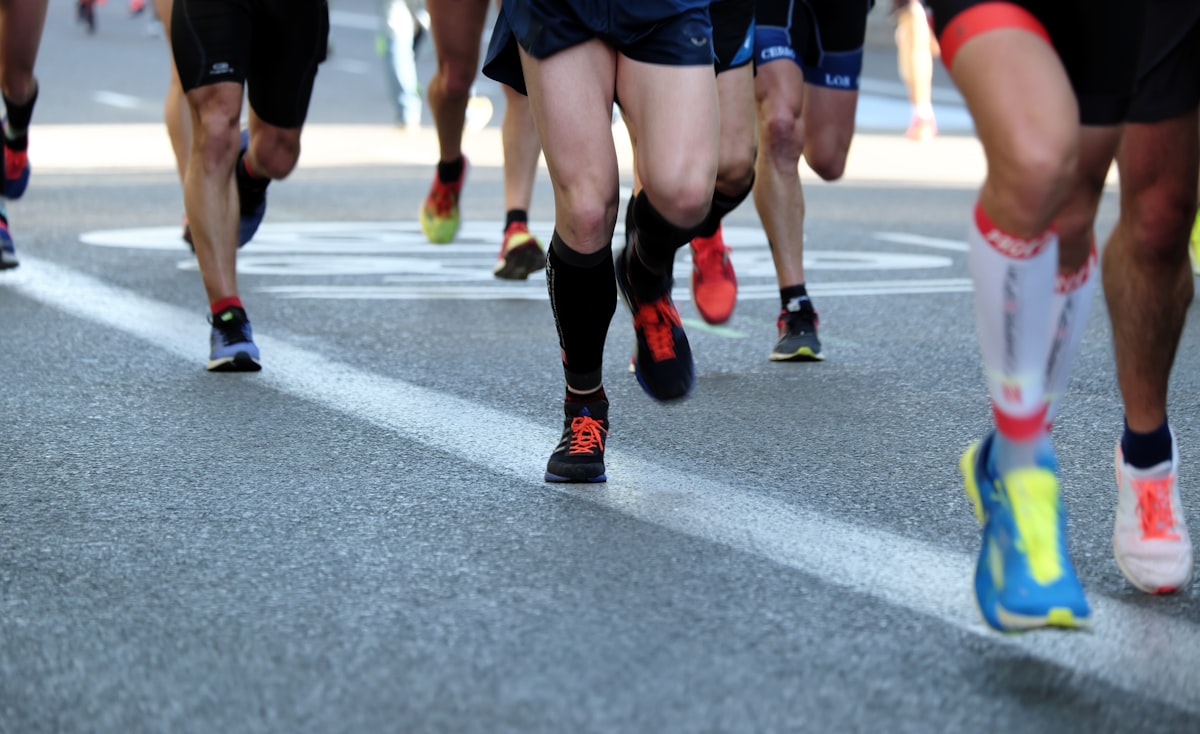
Running cadence, or the number of steps you take per minute, plays a crucial role in your overall running performance. Understanding and improving your cadence can help you run more efficiently, reduce the risk of injury, and increase your speed. In this guide, we’ll explore what cadence is, why it matters, how to measure it, and practical strategies to enhance your running cadence.
What is Running Cadence?
Running cadence is defined as the total number of steps you take in one minute while running. For example, if you take 160 steps in a minute, your cadence is 160. Most elite runners have a cadence between 170-190 steps per minute, while recreational runners often fall between 150-170 steps per minute. Finding your ideal cadence can significantly impact your running efficiency and speed.
Why is Cadence Important?
- Improves running efficiency: A higher cadence can reduce the amount of time your foot spends on the ground, leading to a more efficient stride.
- Reduces injury risk: Increasing your cadence can help you land more softly, reducing the impact on your joints and lowering the risk of injuries.
- Enhances speed: Higher cadence can improve your speed without needing to increase your effort level.
- Promotes better form: Focusing on cadence encourages an upright posture and proper foot placement.
How to Measure Your Running Cadence
There are several effective methods for measuring your running cadence: - **Watch or Fitness Tracker**: Most modern running watches or fitness trackers have built-in cadence metrics. Simply record your cadence during a run to analyze later. - **Manual Counting**: Count the number of steps you take in 30 seconds and multiply by 2 to get your steps per minute. - **Apps**: You can also use smartphone apps dedicated to running metrics that can track your cadence in real-time.
Finding Your Ideal Cadence
While every runner is unique, a cadence of around 170-180 steps per minute is generally considered optimal for most runners. If your cadence is significantly lower, consider gradually increasing it. Here are steps to find and improve your ideal cadence: 1. **Baseline Measurement**: Start by measuring your current cadence during a comfortable run. 2. **Set a Goal**: If your cadence is under 170, aim for a 5% increase over several weeks. 3. **Use a Metronome**: Utilize a metronome or cadence app to help you stay on track. Set it to your target cadence and practice running to the beat.
Tips to Improve Your Cadence
- Incorporate Drills: Add cadence drills, such as high knees or butt kicks, to your warm-up routine to help improve foot speed.
- Focus on Shorter Strides: Aim for shorter, quicker strides instead of long, bounding steps. This will naturally increase your cadence.
- Practice Form: Maintain an upright posture and keep your arms relaxed. Your arm swing should match your leg movement to help with rhythm.
- Gradual Increases: Increase your cadence gradually over time. Sudden changes can lead to injury.
Integrating Cadence into Your Training
Integrating cadence work into your training plan can enhance your overall performance. Here’s how to do it effectively: - **Include Cadence Runs**: Dedicate one run per week to focus specifically on maintaining your target cadence. - **Fartlek Training**: Use fartlek sessions to mix up your pace while concentrating on maintaining a higher cadence during faster segments. - **Long Runs**: During long runs, periodically check your cadence to ensure you are maintaining your target. This practice reinforces good habits.
Common Cadence Mistakes to Avoid
- Overstriding: Taking too long of a stride can decrease your cadence and increase injury risk.
- Ignoring Form: Focus on maintaining good running form even as you work on your cadence.
- Rushing the Process: Avoid trying to change your cadence overnight. Focus on gradual improvements to avoid burnout or injury.
Key Takeaways
Improving your running cadence can lead to better performance, reduced injury risk, and enhanced overall running efficiency. Take the time to measure your current cadence, set achievable goals, and integrate focused drills into your training. With consistent effort, you can find your ideal cadence and enjoy the benefits that come with it.
| Cadence Range | Description |
|---|---|
| <150 | Below average, may lead to inefficiencies and injuries. |
| 150-160 | Common cadence for recreational runners. |
| 160-170 | Improving, but may still benefit from adjustments. |
| 170-180 | Optimal range for most runners. |
| >180 | Typical for elite runners, indicates a fast pace. |
Frequently Asked Questions
Race with your
Inner Circle.
Create custom races and hear your friends' voice notes play automatically as you run. Real-time motivation from the people who matter most.