
Race Day Nutrition for Ultramarathons: Essential Tips
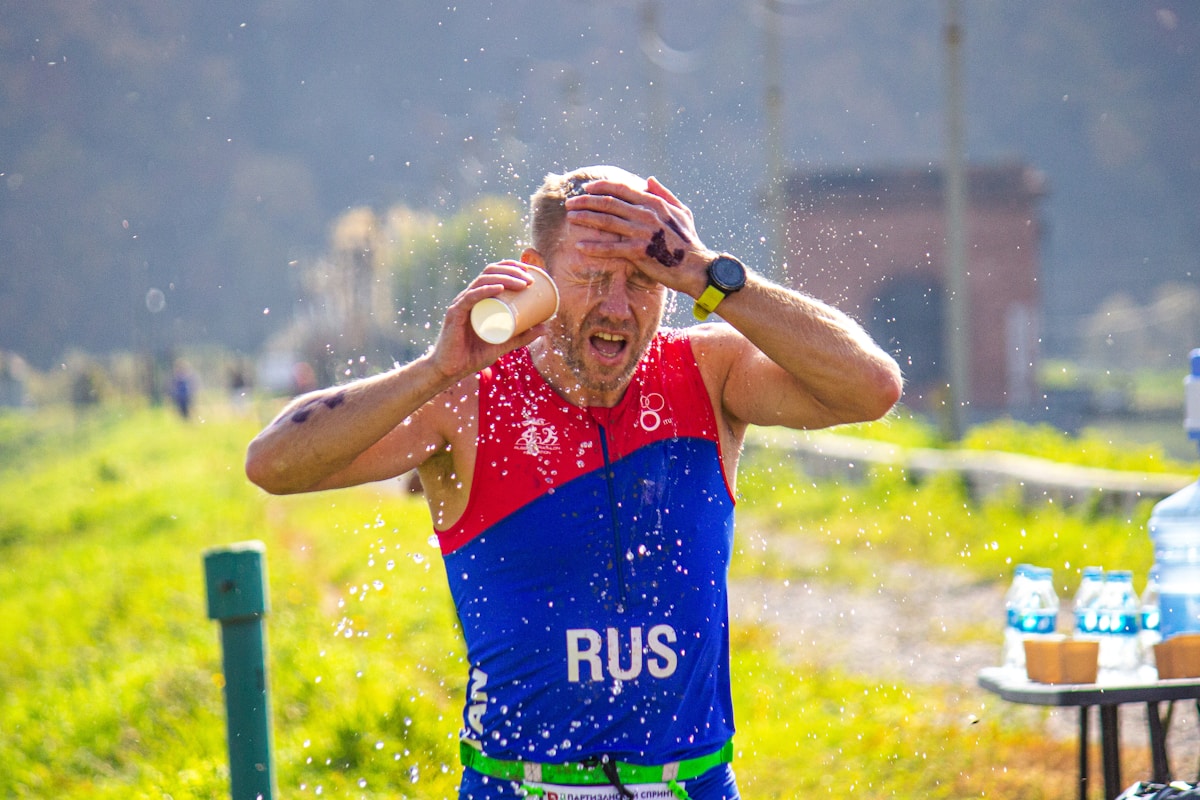
Race day nutrition is pivotal for ultramarathon success. Unlike shorter races, ultramarathons demand meticulous planning for fuel and hydration due to their extended duration and intensity. This guide will provide you with actionable strategies to optimize your race day nutrition, ensuring you maintain energy and performance throughout.
Understanding Energy Needs for Ultramarathons
Ultramarathons typically exceed 26.2 miles, often ranging from 31 miles to over 100 miles. As a result, your body requires a significantly higher caloric intake. On average, ultrarunners may need to consume between 200 to 800 calories per hour, depending on their pace and individual metabolism. Understanding your energy needs is crucial for effective race day planning.
Pre-Race Nutrition: The Days Leading Up
Your nutrition strategy starts well before race day. In the days leading up to the event, focus on carbohydrate loading to maximize glycogen stores. Aim for a diet consisting of:
- Whole grains, such as pasta, rice, and bread.
- Fruits and vegetables, which provide essential vitamins and minerals.
- Hydration, including plenty of water and electrolyte-rich beverages.
Avoid any heavy or unfamiliar foods that could upset your stomach. Stick to familiar meals that you know work for you.
Race Day Breakfast: Fueling for Success
On race day morning, your breakfast should be high in carbohydrates, moderate in protein, and low in fats and fiber to prevent digestive issues. Ideal options include:
- Oatmeal with honey and banana.
- Bagels with nut butter.
- Energy bars or gels designed for endurance athletes.
Aim to eat 2-3 hours before the race start time to allow for digestion.
Hydration Strategies for Ultramarathons
Hydration is just as critical as nutrition. Dehydration can severely impact your performance. Here’s how to manage your hydration effectively:
- Drink water regularly before the race, aiming for clear urine as an indicator of hydration.
- During the race, consume about 16-32 ounces of fluid per hour. Tailor this to your sweat rate.
- Incorporate electrolyte drinks to replace lost sodium and other minerals.
On-Course Nutrition: Fueling During Your Race
During ultramarathons, it’s essential to consume calories regularly. Here’s a suggested nutrition plan:
Adjust your intake based on how you feel and the intensity of the race. Practice your fueling strategy during training runs to determine what works best for you.
Common Nutrition Mistakes to Avoid
To maximize your performance, avoid these common nutritional missteps:
- Failing to hydrate adequately before and during the race.
- Overloading on unfamiliar foods on race day.
- Neglecting to practice your nutrition strategy in training.
- Ignoring feedback from your body about hunger and energy levels.
Post-Race Recovery Nutrition
After completing an ultramarathon, your body will need to recover properly. Focus on replenishing glycogen stores and repairing muscle damage. Consume a recovery meal within 30-60 minutes post-race that includes:
- Carbohydrates such as rice or pasta.
- Protein sources like chicken, fish, or plant-based proteins.
- Hydration through water and electrolyte beverages.
This meal will help kickstart your recovery and prepare you for future training.
Key Takeaways
Race day nutrition for ultramarathons is all about preparation and strategy. Focus on understanding your energy needs, practicing your fueling plan, and adjusting based on your body’s feedback. With the right approach, you'll be set up for a successful race.
Frequently Asked Questions
Race with your
Inner Circle.
Create custom races and hear your friends' voice notes play automatically as you run. Real-time motivation from the people who matter most.