
Pre-Race Nutrition Plan for July Marathons
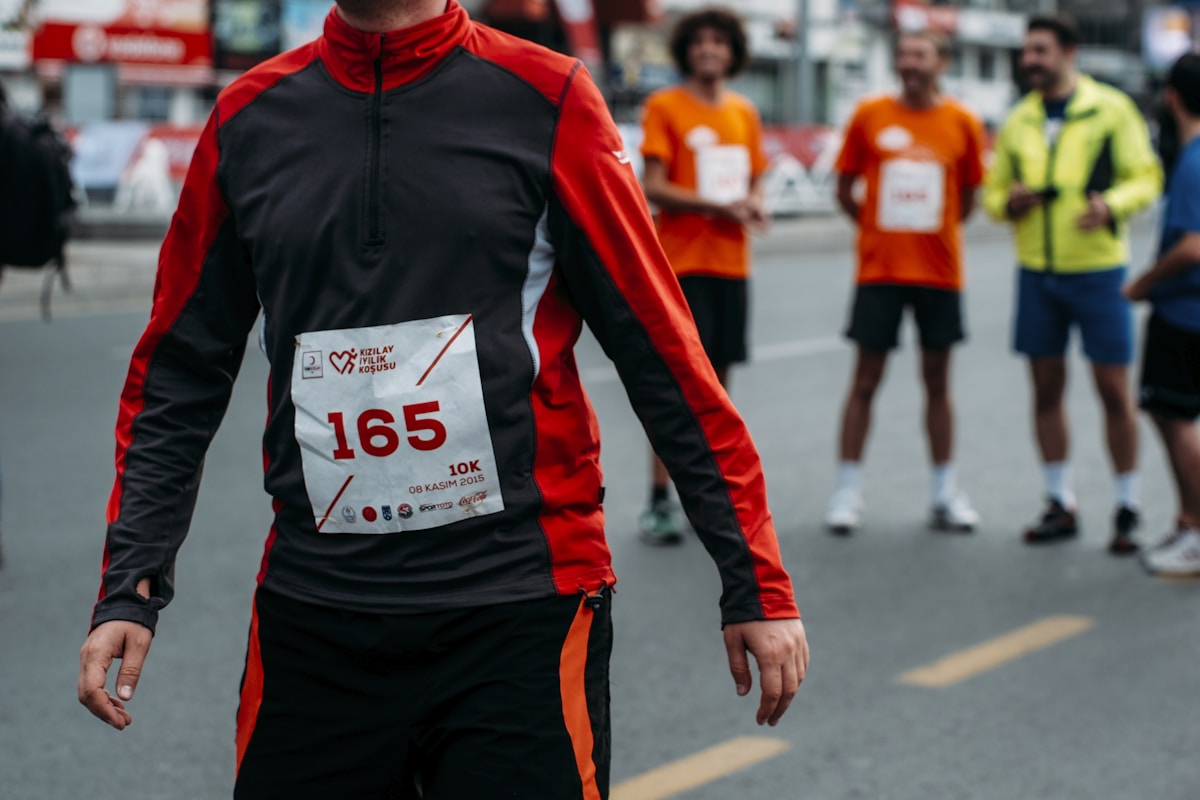
As the summer heat intensifies, marathon runners preparing for July races need a robust nutrition plan to ensure optimal performance. Proper fueling can make the difference between hitting your goals and struggling through the race. This guide outlines a comprehensive pre-race nutrition strategy to help you succeed on race day.
Understanding Your Nutritional Needs
Before diving into specifics, it’s crucial to understand the primary macronutrients that will fuel your marathon: carbohydrates, proteins, and fats. Each plays a distinct role in your training and racing performance.
- Carbohydrates: Your body’s primary energy source, especially during long runs.
- Proteins: Essential for muscle repair and recovery.
- Fats: A secondary energy source, vital for longer races and endurance.
Carbohydrate Loading for July Marathons
Carbohydrate loading is a critical component of pre-race nutrition, especially for marathons. This strategy involves increasing carbohydrate intake in the days leading up to the race to maximize glycogen stores.
- Start your carbohydrate loading 3-4 days before the race.
- Aim for 70% of your total caloric intake from carbohydrates.
- Include foods like pasta, rice, bread, and fruits.
- Stay mindful of fiber intake to avoid gastrointestinal issues on race day.
Hydration Strategies for Race Day
Hydration is just as critical as nutrition. The heat of a July marathon can lead to dehydration, which negatively impacts performance. A solid hydration plan involves both pre-race and race-day strategies.
- Begin hydrating well before race day; aim for at least 2-3 liters of water daily in the week leading up to the race.
- On race day, consume 500-700ml of water or sports drink in the 2-3 hours before the start.
- During the race, aim for 150-250ml of fluid every 20 minutes.
Pre-Race Meals: What to Eat
Your pre-race meal can significantly influence your performance. It should be high in carbohydrates, moderate in protein, and low in fat and fiber to prevent gastrointestinal distress.
- Eat your pre-race meal 3-4 hours before the start.
- Consider options like a bagel with peanut butter, oatmeal with banana, or rice with lean protein.
- Avoid heavy, greasy foods or anything you haven’t tried during training.
Snacks and Supplements on Race Day
On race day, you'll want quick and easily digestible snacks to maintain energy levels. Gels, chews, and electrolyte drinks can be beneficial.
- Bring energy gels or chews that you’ve used during training.
- Consume a gel approximately every 30-45 minutes during the race.
- Consider electrolyte tablets if you’re sweating heavily.
Common Pre-Race Nutrition Mistakes to Avoid
Even the most seasoned runners can make mistakes when it comes to pre-race nutrition. Avoid the following pitfalls to ensure you perform your best.
- Don’t try new foods on race day.
- Avoid overloading on fiber the night before.
- Don’t skip hydration; it can lead to poor performance.
- Refrain from consuming high-fat meals before the race.
Training Your Gut
Just like training your body, you also need to train your gut. This means practicing your nutrition strategies during long runs to find what works best for you.
- Test different fueling strategies during training runs.
- Track your responses to various foods and drinks.
- Adjust your plan based on what helps you feel energized and comfortable.
Key Takeaways
A well-structured pre-race nutrition plan is essential for marathon success, especially in the heat of July. Focus on proper carbohydrate loading, hydration, and familiar foods to set yourself up for the best performance possible.
| Day Before Race | Race Day |
|---|---|
| High-carb meals (e.g., pasta, rice) | Light breakfast (e.g., bagel, banana) |
| Stay hydrated (2-3 liters) | Drink 500-700ml before race |
| Avoid high-fiber foods | Use familiar energy gels or chews |
| Plan for easy-to-digest snacks | Consume snacks every 30-45 minutes |
Frequently Asked Questions
Race with your
Inner Circle.
Create custom races and hear your friends' voice notes play automatically as you run. Real-time motivation from the people who matter most.