Paris Marathon Weather Strategy: 2026 Coach's Guide
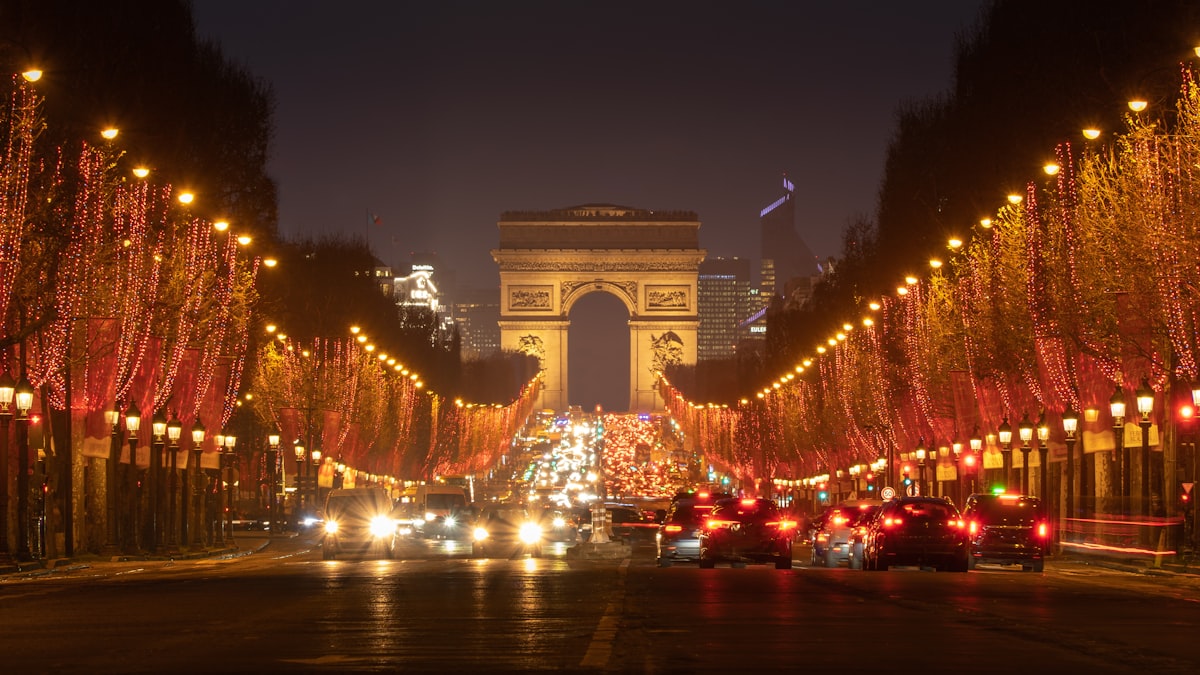
April in Paris is legendary for its romance, but for marathon runners, it is famous for its unpredictability. On April 12, 2026, over 50,000 runners will line up on the Champs-Élysées for the Schneider Electric Marathon de Paris. As your coach, I am here to tell you that your physical training is only half the battle. To run your absolute best past the Louvre, through the Bois de Vincennes, and along the banks of the Seine, you need a bulletproof weather strategy.
Spring weather in Paris can swing from a frosty, damp 5°C (41°F) at the start line to a sunny, exposed 17°C (63°F) by the time you reach the Bois de Boulogne. Add in the biting wind tunnels along the River Seine and the slick cobblestones of the historic streets, and you have a race that demands tactical adaptability. This guide will break down the exact weather patterns you will face on April 12, 2026, and how to prepare your gear, pacing, and mindset to conquer them.
The Reality of Paris in April: What the Stats Don't Tell You
If you look up the average weather for Paris in mid-April, you will see a deceptively pleasant 11°C (52°F). However, averages hide the extreme swings. In recent years, runners have experienced everything from freezing rain to unseasonal heatwaves where temperatures soared above 20°C (68°F) by midday.
Furthermore, the humidity from the River Seine creates a morning mist that can make the early-morning air feel much colder than the thermometer suggests. This damp chill clings to your skin, making warm-up routines critical. As the sun rises, this moisture evaporates, occasionally creating a humid 'greenhouse' effect in the forested sections of the course. You must prepare for a multi-stage weather experience rather than a single, static climate.
The Start Line Chill: Managing the Champs-Élysées Wait
The Paris Marathon start line is one of the most beautiful in the world, but it is also a giant wind tunnel. Standing on the cobblestones of the Champs-Élysées, waiting for your SAS (corral) to cross the start line, can take anywhere from 30 to 90 minutes. If you get cold here, your body will burn precious glycogen just trying to stay warm before you even cross the timing mats.
- Wear throwaway layers: Go to a thrift store and buy an oversized sweatshirt and sweatpants. Keep them on until 60 seconds before your wave starts.
- Protect your feet: The cobblestones are cold and draw heat right out of your shoes. Stand on a discarded piece of cardboard or an old space blanket while you wait.
- Keep a trash bag handy: A heavy-duty trash bag with armholes cut out is the ultimate wind and drizzle blocker. It traps body heat incredibly well.
- Keep moving: Do not stand static. Perform gentle dynamic stretches, ankle rolls, and light calf raises to keep blood flowing to your lower limbs.
Course Microclimates: Vincennes vs. Boulogne
The Paris course is unique because it transitions from wide, exposed city boulevards to dense parklands, and back again. These transitions create distinct microclimates that require different pacing and mental approaches.
Between kilometers 10 and 20, you will run through the Bois de Vincennes. This massive park is heavily wooded. If the morning is cold, the trees will trap the dampness, making this section feel cool and fresh. However, if it is a warm day, the lack of air circulation under the canopy can make it feel humid and stuffy. Keep a close eye on your effort levels here; do not let the shade fool you into pushing too hard before the halfway mark.
In contrast, the final miles through the Bois de Boulogne (kilometers 35 to 41) offer very little protection from the midday sun if the skies have cleared. After the grueling climb out of the Seine underpasses, this park can feel like an oven. The air is often stagnant, and the psychological toll of the winding, tree-lined paths can make the heat feel worse than it is. Save some water to splash on your head and neck as you enter this final park.
The Seine Wind Tunnel: Kilometers 25 to 35
The most tactically challenging section of the Paris Marathon is the ten-kilometer stretch along the right bank of the River Seine. This is where the race is often won or lost, and the weather plays a massive role.
Because the river basin is wide and open, it acts as a natural wind corridor. Typically, you will face either a direct headwind or a swirling crosswind here. Running directly into a headwind alone can increase your energy expenditure by up to 10%. To combat this, you must master the art of drafting. Find a pack of runners moving at your target pace and tuck in closely behind them. Let them block the wind, and take turns leading the group if you feel strong. Do not fight the wind alone; use your base mileage and tactical patience to glide through this section.
Gear Selection: Dressing for 5°C to 15°C Transitions
The key to dressing for the Paris Marathon is adaptability. You want gear that can be adjusted on the fly without stopping. Here is my recommended gear list for a typical Paris spring morning:
- Arm Warmers: These are non-negotiable. Wear them pulled up to your wrists at the start. If you get warm by kilometer 15, simply roll them down to your wrists. If the wind picks up along the Seine, pull them back up.
- Lightweight Singlet: Wear a high-quality, moisture-wicking singlet. Avoid heavy t-shirts that hold onto sweat, which will chill you when the wind blows.
- Running Cap or Visor: Essential for keeping rain out of your eyes if spring showers hit, and shielding your face from the glare of the sun reflecting off the Seine.
- Lightweight Gloves: Your extremities will feel the cold first. Wear a cheap pair of cotton gloves that you can throw away at the first water station once your hands warm up.
Coach's Tip: Avoid wearing a waterproof jacket unless heavy, continuous rain is forecast. These jackets trap sweat on the inside, leaving you soaked and shivering when the wind hits you on the open quays.
Hydration & Fueling for Cool-to-Warm Conditions
When it is cool at the start, many runners make the mistake of skipping the early hydration stations. They assume that because they aren't sweating heavily, they don't need water. This is a critical error. The dry, cool air actually increases respiratory water loss—you are losing moisture every time you breathe out.
In Paris, the hydration stations feature small bottles of Vittel water rather than open cups. This is a massive advantage! Grab a bottle, carry it with you for a few hundred meters, and take small, controlled sips. This prevents you from gulping down cold water all at once, which can cause stomach cramping in cool weather. As the temperature rises in the latter half of the race, increase your fluid intake and use the water to douse your wrists and temples to keep your core temperature down.
Cobblestones, Moisture, and Footwear Prep
The Paris Marathon features several sectors of historic cobblestones, most notably at the start on the Champs-Élysées, near the Louvre, and around the Place de la Bastille. If there is morning dew, mist, or rain, these cobblestones become incredibly slick.
To handle wet cobblestones, adjust your running mechanics. Shorten your stride slightly and increase your cadence (steps per minute). This keeps your center of gravity directly over your feet, minimizing the risk of slipping. Ensure your racing shoes have a rubber outsole with decent grip; avoid brand-new carbon-plated shoes with completely smooth foam outsoles if rain is in the forecast. Run a few of your taper runs in your chosen race shoes on wet pavement to test their traction beforehand.
| Race Segment | Expected Weather Condition | Coach's Tactical Strategy |
|---|---|---|
| Champs-Élysées (Start) | Cold, damp cobblestones (5°C - 8°C) | Wear throwaway layers, stand on cardboard, keep feet dry. |
| Bois de Vincennes (KM 10-20) | Cool, humid, sheltered forest | Maintain target pace, roll down arm warmers if warm, stay relaxed. |
| The Seine Quays (KM 25-35) | Exposed, windy, potential headwind | Draft behind other runners, protect your chest, adjust pace into wind. |
| Bois de Boulogne (KM 35-41) | Midday sun, stagnant air (12°C - 16°C) | Splash water on head, focus on high cadence, manage core temperature. |
Frequently Asked Questions
Race with your
Inner Circle.
Create custom races and hear your friends' voice notes play automatically as you run. Real-time motivation from the people who matter most.