
Mental Toughness Techniques for Marathon Anxiety
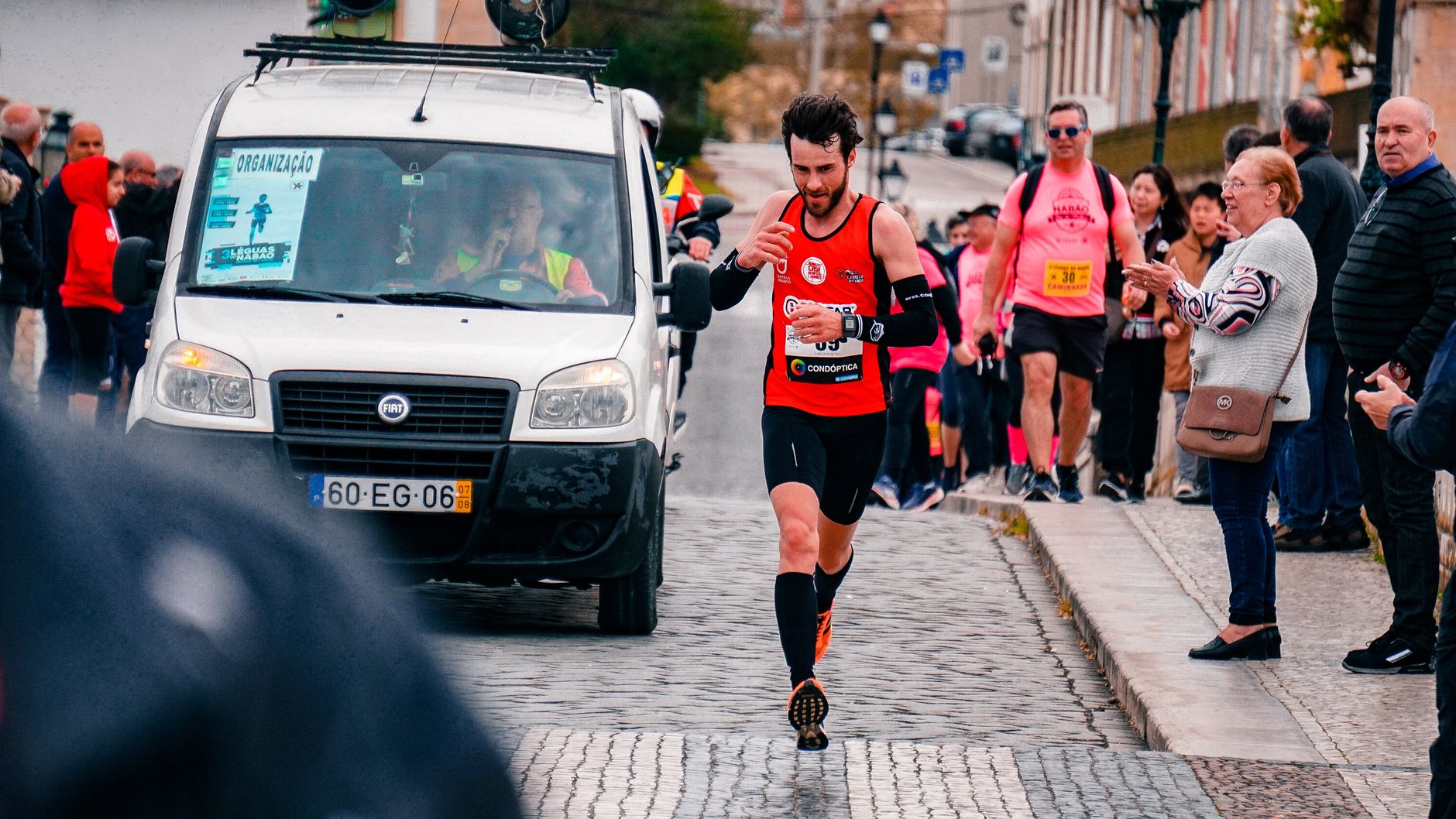
Race day can often be a whirlwind of emotions, especially for marathon runners. Anxiety can creep in, affecting your focus and performance. Developing mental toughness is crucial to overcoming these challenges and ensuring you perform at your best. In this guide, we will explore practical techniques to build your mental resilience and conquer marathon anxiety.
Understanding Marathon Anxiety
Marathon anxiety can manifest in various forms, including pre-race jitters, self-doubt, and fear of not finishing. Understanding the source of your anxiety is the first step toward overcoming it. Common triggers include:
- Fear of the unknown
- Pressure to perform
- Past race experiences
- Comparison with other runners
Recognizing these triggers allows you to address them directly and create a game plan to tackle them.
Visualization Techniques for Success
Visualization is a powerful mental technique that can significantly reduce anxiety. By picturing yourself successfully completing the marathon, you can create a sense of familiarity and confidence. Here’s how to effectively use visualization:
- Find a quiet space where you can relax.
- Close your eyes and imagine the race day environment.
- Visualize key moments: the start line, your pacing strategy, hitting the halfway mark, and crossing the finish line.
- Feel the emotions of accomplishment and joy as you visualize your success.
Positive Self-Talk Strategies
What you say to yourself matters greatly on race day. Positive self-talk can enhance your mental resilience and combat anxiety. Here are some effective phrases to use:
- "I am prepared and ready for this race."
- "I have trained hard, and I will succeed."
- "I can handle anything that comes my way today."
Practice these affirmations during your training runs to embed them into your routine.
Focus on the Process, Not the Outcome
Focusing on the outcome can lead to increased anxiety. Instead, concentrate on the process of running. Break the marathon into manageable segments, and focus on what you can control: your pacing, your breathing, and your hydration. Here’s how to do it:
- Set small goals for each segment of the race.
- Maintain a steady pace that you’ve practiced.
- Stay aware of your breathing and form.
- Hydrate and fuel at the designated points, without worry about the finish line.
Mindfulness and Breathing Techniques
Incorporating mindfulness can help ground you and reduce anxiety levels. Techniques such as controlled breathing can help you stay calm. Try the following:
- Practice deep breathing: inhale for a count of four, hold for four, and exhale for four.
- Use mantras during tough stretches: repeat a calming phrase to yourself, like "I am strong."
- Conduct a body scan: check in with your body and release tension in your muscles.
Pre-Race Routine to Build Confidence
Creating a consistent pre-race routine helps reduce anxiety and builds confidence. This routine can include warm-up exercises, nutrition plans, and mental preparation. Consider these components:
- Test your gear during training runs.
- Eat a familiar pre-race meal.
- Arrive at the race venue early to acclimate to the environment.
- Engage in light conversation with fellow runners to boost your mood.
Race Day Mental Checkpoints
Establishing mental checkpoints throughout the race can provide focus and direction, helping you stay in the moment. Create positive reminders or affirmations to repeat at each checkpoint.
Key Takeaways
Building mental toughness is just as crucial as physical training for marathon success. By employing these techniques—visualization, positive self-talk, process-focused mindset, mindfulness, and a solid pre-race routine—you can effectively manage marathon anxiety and race with confidence.
| Checkpoint | Mental Reminder |
|---|---|
| 5K | I am strong and moving well. |
| Halfway | I’ve trained for this; I can do it. |
| 20 miles | Just a 10K left; I can finish this. |
Frequently Asked Questions
Race with your
Inner Circle.
Create custom races and hear your friends' voice notes play automatically as you run. Real-time motivation from the people who matter most.