
Mastering Mental Toughness for Ultrarunners
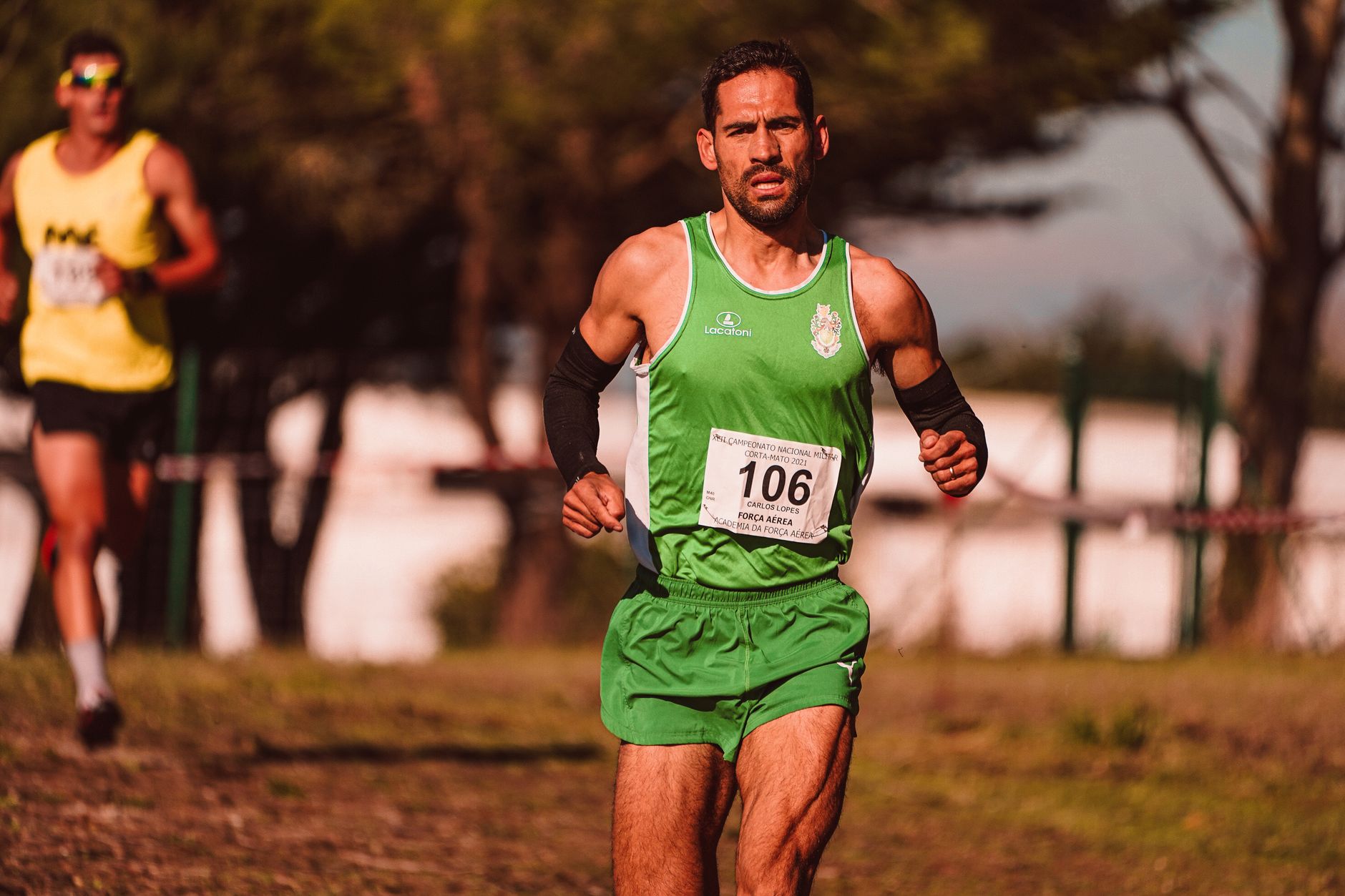
Ultrarunning challenges both the body and the mind. While physical training is crucial, mastering mental toughness is the key to overcoming race day anxiety and performing at your best. Here are five proven techniques that can help you strengthen your mental game and tackle the toughest ultramarathons.
1. Visualization: See Your Success
Visualization is a powerful technique used by elite athletes across various sports. By creating a mental image of yourself successfully completing your race, you can boost your confidence and reduce anxiety. Here's how to effectively visualize:
- Find a quiet space where you can relax.
- Close your eyes and take deep breaths to calm your mind.
- Imagine yourself at different stages of the race, focusing on feelings of strength and determination.
- Picture the finish line and the emotions you'll feel crossing it.
2. Develop a Strong Pre-Race Routine
Having a consistent pre-race routine can help create a sense of normalcy and reduce anxiety. This routine should include physical warm-ups, mental preparations, and even nutritional strategies. Consider the following elements:
- Stick to familiar and comfortable pre-race meals to avoid gastrointestinal issues.
- Incorporate light stretching or yoga to ease muscle tension.
- Engage in calming activities like meditation or listening to music before the race.
3. Mindfulness and Breath Control
Mindfulness practices can help ultrarunners stay present and focused during races. By concentrating on your breath and the sensations in your body, you can manage anxiety and improve performance. Here’s how to implement mindfulness:
- Practice deep, rhythmic breathing to calm your nerves before the race.
- During the race, focus on your breath and the ground beneath your feet.
- Acknowledge any negative thoughts without judgment, then redirect your focus to the task at hand.
4. Positive Self-Talk: Reframe Your Thoughts
The way you speak to yourself can significantly influence your performance. Transform negative self-talk into positive affirmations to build confidence and resilience. Here are some strategies:
- Identify common negative thoughts you experience during races.
- Create positive affirmations that counter these thoughts, such as 'I am strong' or 'I can overcome this challenge.'
- Repeat these affirmations during training and races to reinforce a positive mindset.
5. Embrace Discomfort: Training Your Mind
Ultrarunning is often about enduring discomfort. Embrace this notion in your training to build mental toughness. Consider these tips:
- Incorporate challenging workouts, such as long runs in adverse weather or hilly terrain.
- Practice racing at uncomfortable paces to adapt your mind and body to stress.
- Reflect on your experiences after tough training sessions to reinforce your ability to cope with discomfort.
Training Plan Overview
To effectively develop mental toughness, integrate these techniques into your training plan. Use the table below to structure your training sessions with mental toughness exercises.
This training plan overview includes key mental toughness techniques for each phase of your preparation.
Key Takeaways
Mastering mental toughness is essential for ultrarunners facing race day anxiety. By visualizing success, establishing a pre-race routine, practicing mindfulness, using positive self-talk, and embracing discomfort, you can enhance your performance and enjoy the journey. Implement these techniques consistently, and you'll find yourself better prepared to tackle any ultramarathon challenge.
| Training Phase | Mental Toughness Technique | Focus Area |
|---|---|---|
| Base Phase | Visualization | Building confidence |
| Build Phase | Positive Self-Talk | Reframing thoughts |
| Peak Phase | Mindfulness | Staying present |
| Taper Phase | Routine Development | Reducing anxiety |
| Race Day | Breath Control | Managing stress |
Frequently Asked Questions
Race with your
Inner Circle.
Create custom races and hear your friends' voice notes play automatically as you run. Real-time motivation from the people who matter most.