
Ironman Race Overview for Runners
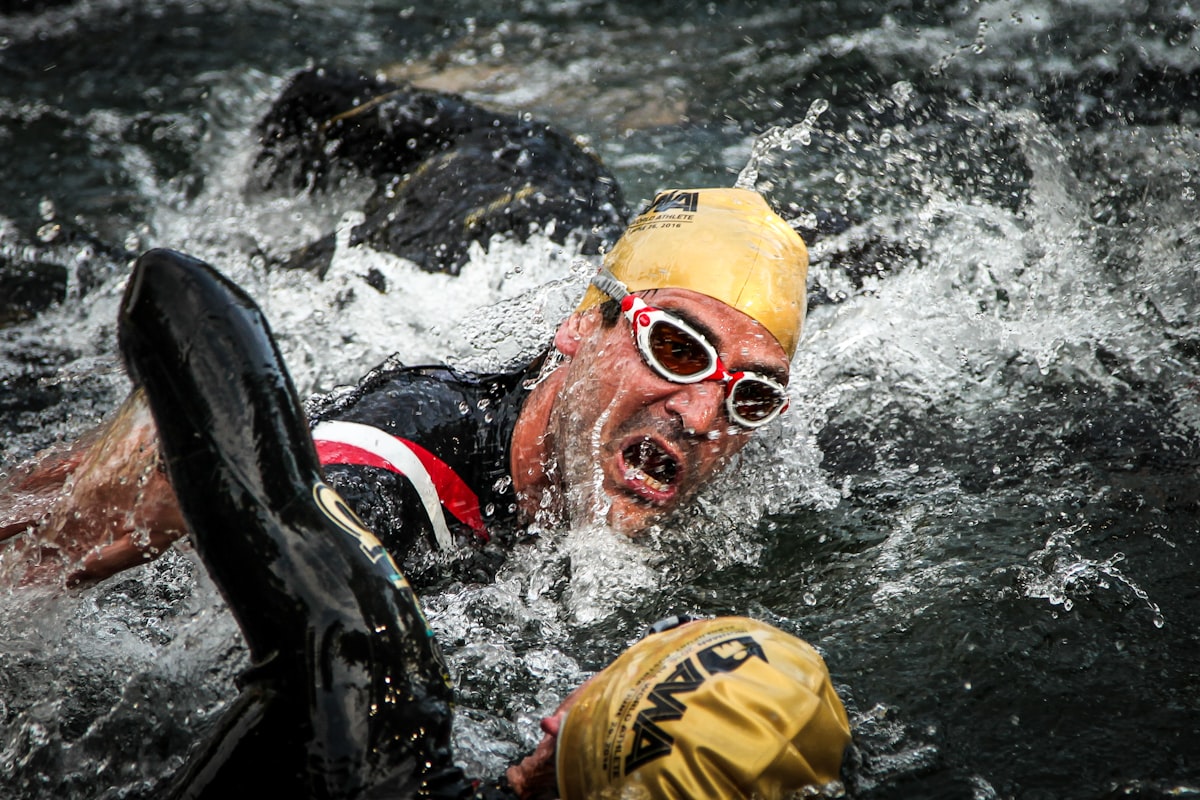
While Ironman races are triathlons that include swimming, cycling, and running, understanding the running component is crucial for runners looking to transition into these events or understand their structure. This article will focus on the running aspects of Ironman races, providing insights into training, pacing strategies, nutrition, and more.
Understanding the Ironman Race Format
An Ironman race consists of a 2.4-mile swim, a 112-mile bike ride, and a 26.2-mile marathon. The running portion is often the most familiar to runners, but it also presents unique challenges, especially after the exhaustive swim and bike segments. Understanding the overall race format is essential for effective training.
Training for the Running Segment
Training for the marathon portion of an Ironman requires a strategic approach. Many runners focus on base mileage, brick workouts (combining cycling and running), and long runs to prepare their bodies for the demands of a full Ironman.
- Build a strong base: Aim for 30-40 miles per week of running during the base phase.
- Incorporate brick workouts: Schedule at least one bike-run session each week to simulate race conditions.
- Long runs: Plan long runs of 16-20 miles to prepare for the marathon distance after cycling.
Pacing Strategy for Ironman Running
Pacing during the marathon segment of an Ironman is critical. After enduring the swim and bike, your legs will be fatigued, so it’s essential to adopt a pacing strategy that allows you to finish strong.
- Start slow: Begin at a pace that feels easy to conserve energy.
- Use negative splits: Aim to run the second half of the marathon slightly faster than the first half.
- Monitor your heart rate: Stay within a comfortable heart rate zone to avoid burnout.
Nutrition and Hydration Strategies
Proper nutrition and hydration are vital throughout your Ironman training and on race day. Given the duration and intensity of an Ironman, runners need to fuel their bodies adequately before and during the race.
- Pre-race meal: Focus on complex carbohydrates and protein 2-3 hours before the race starts.
- During the race: Consume easily digestible gels or chews every 30-45 minutes.
- Hydration: Drink water and electrolyte drinks regularly, aiming for 20-25 ounces per hour.
Gear Recommendations for Ironman Runners
Choosing the right gear for an Ironman is crucial, especially for the running portion. Comfort and performance can greatly affect your race experience.
- Running shoes: Invest in a pair of lightweight, cushioned running shoes that provide good support.
- Running attire: Wear moisture-wicking clothing to stay comfortable.
- Race belt: Use a race belt to carry nutrition and hydration supplies easily.
Common Mistakes to Avoid in Ironman Training
Even experienced runners can make mistakes when preparing for an Ironman. Here are common pitfalls to avoid.
- Neglecting brick workouts: Failing to practice transitioning from biking to running can lead to poor performance.
- Overtraining: Be cautious of increasing mileage too quickly; stick to a structured plan.
- Ignoring recovery: Allow ample time for recovery to prevent injury and fatigue.
Key Takeaways
Transitioning to an Ironman race requires careful planning and training, especially for the running segment. Focus on building a strong base, developing a smart pacing strategy, and ensuring proper nutrition and hydration. By avoiding common mistakes and equipping yourself with the right gear, you can maximize your performance in this challenging yet rewarding race format.
| Training Phase | Weekly Mileage | Key Workouts |
|---|---|---|
| Base Phase | 30-40 miles | Long runs, easy runs |
| Build Phase | 40-50 miles | Brick workouts, tempo runs |
| Peak Phase | 50-60 miles | Race simulations, long runs |
| Taper Phase | 20-30 miles | Shorter, easy runs |
Frequently Asked Questions
Race with your
Inner Circle.
Create custom races and hear your friends' voice notes play automatically as you run. Real-time motivation from the people who matter most.