
How to Prevent Runner's Knee in Marathon Training
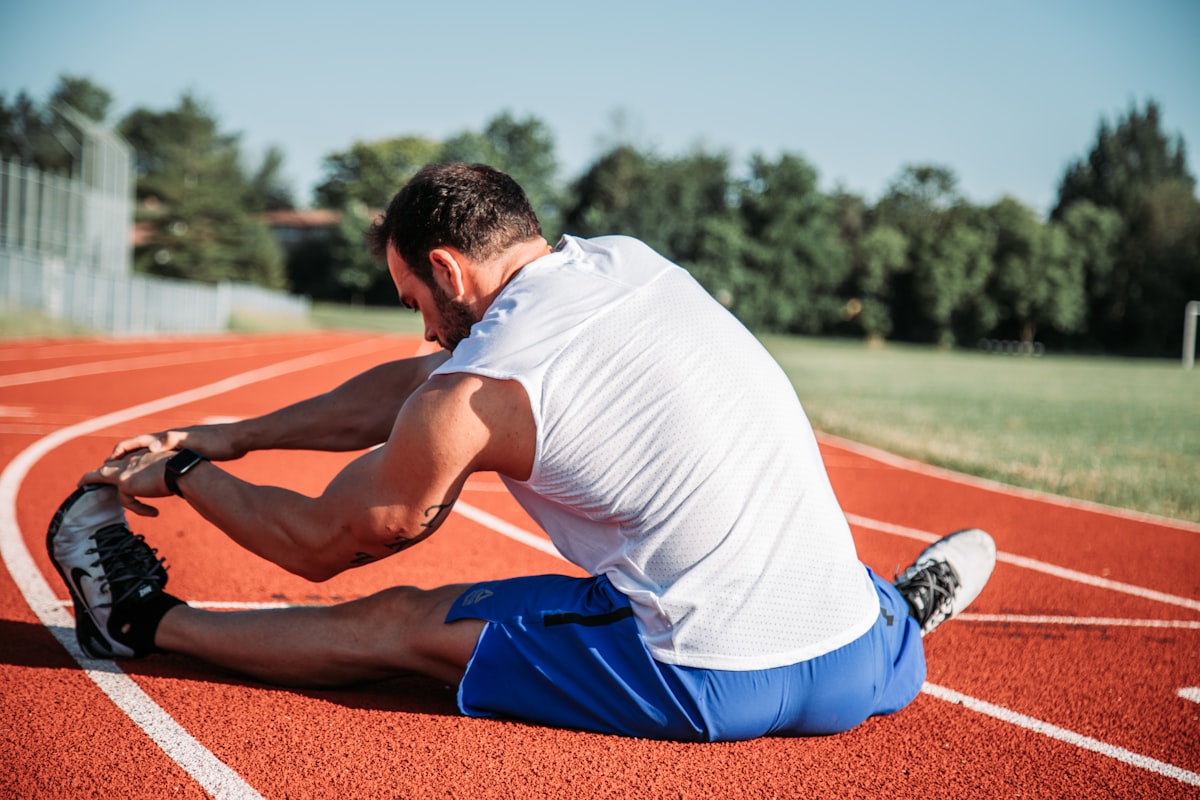
Runner's knee is one of the most common overuse problems in distance running, and it usually shows up when training stress rises faster than your body can absorb it. The good news is that most cases are preventable. If you manage mileage well, get stronger in the right places, and keep your form tidy when fatigue builds, you can cut your risk dramatically.
This is not usually a single sudden injury. It is more often a buildup of stress around the kneecap joint, especially when marathon training adds more miles, more speed, more hills, or all three at once. Prevention is about reducing that stress without undertraining.
Why Runner's Knee Happens
Runner's knee, or patellofemoral pain syndrome, usually comes from the kneecap joint being asked to handle more force than it is ready for. That force is influenced by how much you run, how hard you run, how you move, and how well your muscles support the joint.
The common pattern is simple: a runner feels fine during a steady block, then adds long runs, intervals, hills, or extra weekly mileage, and the front of the knee starts to ache. The pain may appear during stairs, after sitting, on downhill running, or late in a long run. The problem is rarely just the shoe. It is usually a load issue first.
- Training load rises too quickly
- Hip and glute strength is not keeping up with mileage
- Quadriceps and calves are not sharing the workload well
- Stride gets longer when fatigue sets in
- Recovery is too short between hard sessions
Build Mileage Without Spikes
The safest way to prevent runner's knee is to treat mileage like a skill, not a race. Most runners get into trouble when they add too much too soon, especially in marathon blocks where the long run and weekly volume both climb.
- Keep weekly mileage increases modest, especially after a down week or break
- Use cutback weeks every 3 to 4 weeks to let tissues catch up
- Avoid stacking a big mileage jump with a new workout or hill phase
- If you are returning from time off, rebuild volume before intensity
- Keep most runs easy so hard days stay truly hard and easy days stay easy
A useful rule is to change only one major training variable at a time. If you are increasing long-run distance, do not also add a second workout, a hill repeat session, and a fast finish every week. Marathon training works best when stress is layered, not dumped all at once.
Use Strength Training to Protect the Knee
Strength training is one of the best tools for runner's knee prevention because it helps the hips, thighs, and calves absorb load before the kneecap has to take it all. Weak glutes and poor single-leg control often show up as the knee drifting inward or the pelvis dropping when you land.
- Split squats or rear-foot elevated split squats
- Step-ups with controlled knee tracking
- Single-leg Romanian deadlifts
- Glute bridges or hip thrusts
- Calf raises, including bent-knee calf work
- Side planks or lateral band walks for hip stability
Two short sessions per week are enough for most runners. Focus on quality, not exhaustion. You should finish stronger, not wrecked. Use moderate loads, controlled tempo, and single-leg work that exposes side-to-side weaknesses.
If your knees tend to ache late in long runs, the issue is often not the knee itself. It is usually fatigue in the hips and quads that lets your mechanics fall apart.
Keep Your Running Form Stable
You do not need perfect form to prevent runner's knee. You do need form that stays stable when you are tired. That means a controlled stride, a quiet upper body, and enough cadence to avoid reaching too far in front of your center of mass.
- Avoid overstriding, especially late in runs
- Think about landing under your body rather than out in front
- Keep the pelvis level instead of letting one hip drop
- Run tall through the torso without leaning back
- Let cadence rise slightly on easy runs if your stride gets sloppy
Downhills deserve special attention. They increase braking forces and can irritate the kneecap joint quickly. On long runs or hilly routes, shorten your stride on descents and stay controlled rather than chasing pace.
Manage Hills, Speedwork, and Long Runs
Hills and speedwork are useful, but they are also two of the fastest ways to overload the knee if you add them too aggressively. The same goes for long runs with fast finishes. These sessions are valuable because they build marathon fitness, but they should be introduced with care.
- Start with one quality session per week before adding a second
- Build hill volume gradually, using short reps before longer climbs
- Keep most speedwork controlled, such as fartlek or marathon-pace segments
- Do not increase long-run distance and intensity in the same week
- If the knee gets cranky, reduce intensity before cutting every run
For marathon runners, the safest progression is usually base mileage first, then controlled workouts, then more specific race-pace work. That order gives the knee time to adapt before the demands get sharper.
Recover Well and Catch Problems Early
Recovery is not passive. It is part of injury prevention. Sleep, easy days, cross-training, and mobility work all help the tissues around the knee recover from repeated loading. If recovery is poor, even a well-built plan can turn into a knee pain cycle.
- Sleep enough to support tissue repair and nervous system recovery
- Use low-impact cross-training when you need extra aerobic work
- Include mobility for calves, quads, hips, and ankles
- Take easy days seriously instead of turning them into moderate runs
- Pay attention to the first signs of discomfort rather than waiting for a full flare-up
If pain starts, reduce load early. That may mean shortening runs, dropping intensity, or swapping a run for bike work for a few days. Running through it often turns a small warning into a longer interruption.
Gear, Surfaces, and When to Get Help
Footwear matters, but it is not the main driver of runner's knee. The biggest issue is still load management. Even so, worn-out shoes, a poor fit, or a shoe that does not match your mechanics can make symptoms more likely when training is already heavy.
- Replace shoes when cushioning and support feel noticeably dead
- Make sure the fit is secure without pinching the forefoot
- Avoid sudden shoe changes right before a big training block
- Be cautious with very aggressive changes in stack height or drop
Also watch the training surface. Repeated cambered roads, long downhill routes, or hard surfaces during a heavy block can add stress. Rotating routes can help spread the load more evenly.
If pain persists, swelling appears, or your stride changes because of discomfort, get assessed by a sports medicine professional or physical therapist. Early evaluation can save weeks of missed training and help you adjust the plan before the issue becomes chronic.
Key Takeaways
- Runner's knee is usually a load problem, not a single accident.
- The best prevention starts with gradual mileage progression and cutback weeks.
- Strength training for the hips, glutes, quads, and calves reduces knee stress.
- Stable form matters most when fatigue builds, especially on hills and long runs.
- Recovery, sleep, and early load reduction are essential if symptoms begin.
- Shoes and surfaces matter, but they are secondary to how much stress you stack on the knee.
| Risk Factor | Why It Raises Knee Stress | Best Prevention Tactic |
|---|---|---|
| Mileage spike | Tissues do not adapt fast enough to the jump in load | Increase weekly volume gradually and use cutback weeks |
| Sudden speedwork | Hard sessions increase joint load and fatigue quickly | Add workouts slowly and keep most running easy |
| Hill overload | Uphills and downhills both increase knee demand | Build hill volume in small doses |
| Weak hips and glutes | Poor control can let the knee collapse inward | Strength train 2 times per week |
| Overstriding | Landing too far in front of the body increases braking forces | Shorten stride slightly and keep cadence controlled |
| Old or poorly fitting shoes | Can contribute to discomfort when combined with high load | Replace worn shoes and choose a stable, comfortable fit |
Frequently Asked Questions
Race with your
Inner Circle.
Create custom races and hear your friends' voice notes play automatically as you run. Real-time motivation from the people who matter most.