
Fueling the Ultra: Nutrition Plans for 50K and Beyond
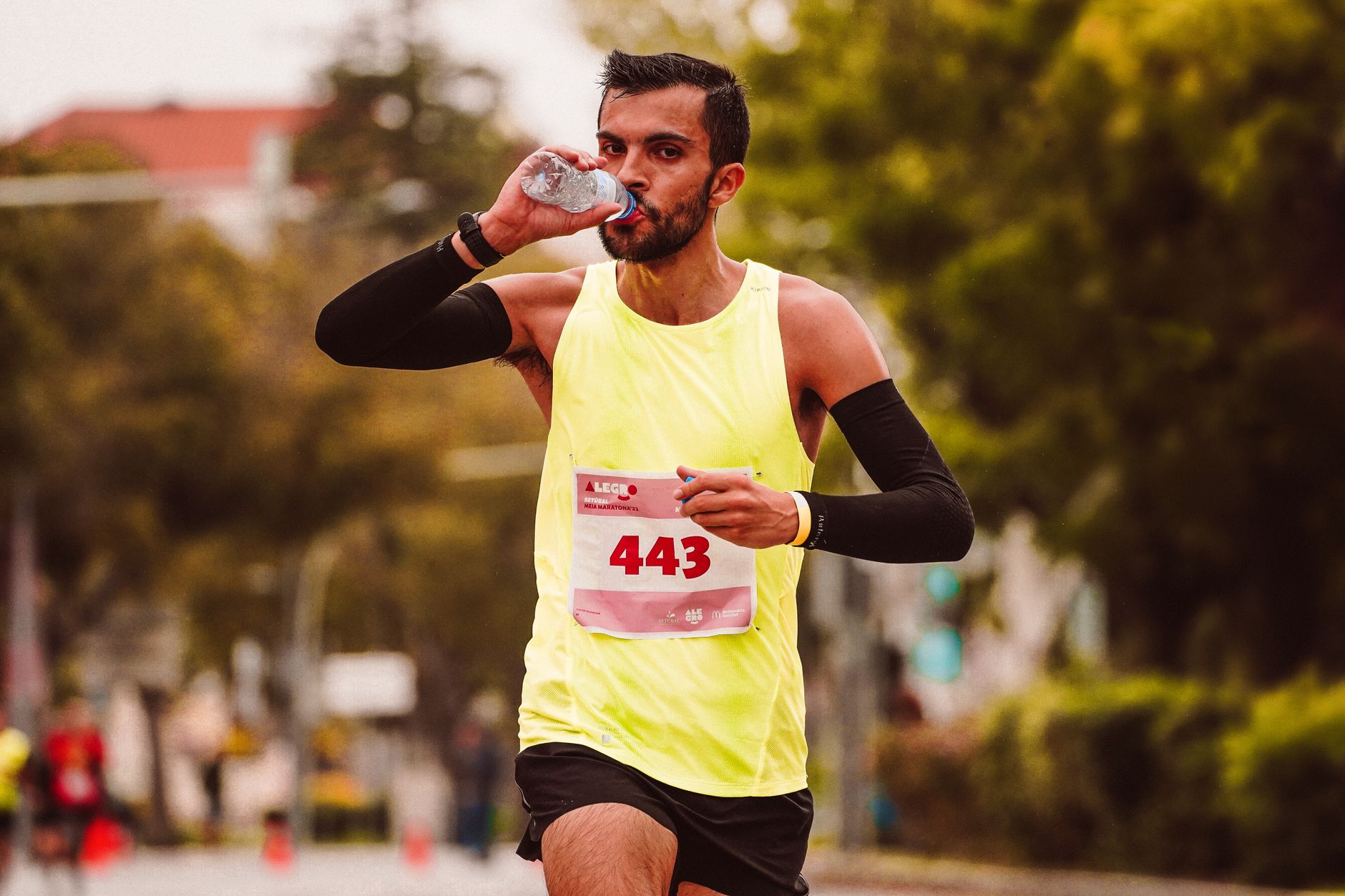
Running an ultra marathon, particularly a 50K or beyond, demands a meticulous approach to nutrition. The challenges presented by extended distances require runners to carefully consider their fueling strategies—not just on race day, but also in the weeks leading up to the event. This guide will explore all aspects of nutrition planning for ultra races, ensuring you're prepared to tackle those long miles.
Understanding the Nutritional Demands of Ultra Running
Ultra running places significant strain on the body, requiring a robust intake of macronutrients and micronutrients to support endurance, recovery, and overall performance. The primary components of an ultra running nutrition plan include: 1. **Carbohydrates**: Essential for fueling long runs, carbohydrates should make up the bulk of your diet, especially leading up to the race. 2. **Proteins**: Important for muscle repair and recovery, proteins should be included in your post-run meals and snacks. 3. **Fats**: While carbohydrates are primary, healthy fats also play a role in long-distance running, especially during extended training sessions.
Creating a Personalized Nutrition Plan
A well-rounded nutrition plan for ultra runners should be tailored to individual needs, taking into account factors like body weight, metabolic rate, and personal preferences. Follow these steps to create your personalized plan: 1. **Calculate Daily Caloric Needs**: Use an online calculator or consult with a nutritionist to determine your daily caloric needs based on your training volume. 2. **Set Macronutrient Ratios**: Aim for a macronutrient ratio of approximately 60-70% carbohydrates, 15-20% proteins, and 15-20% fats. 3. **Plan Meals and Snacks**: Incorporate a variety of foods to meet your nutritional requirements, focusing on whole grains, lean proteins, healthy fats, fruits, and vegetables.
Hydration Strategies for Ultra Running
Hydration is as crucial as nutrition during ultra races. Dehydration can lead to severe consequences, including impaired performance and heat-related illnesses. Here’s how to ensure you stay hydrated: - **Pre-Race Hydration**: Start hydrating in the days leading up to the race. Aim to drink at least 2-3 liters of water daily. - **During the Race**: Consume fluids regularly, approximately every 20-30 minutes. Electrolyte drinks can help replace lost salts.
Fueling During the Race: What to Eat
During an ultra marathon, you need to refuel properly. Here are some options for race day fueling that can be easily consumed on the go: - **Energy Gels**: Easy to carry and digest, energy gels provide quick carbs. - **Chews and Gummies**: Another portable option that helps avoid flavor fatigue. - **Bananas or Dates**: Natural sources of carbs that can provide a quick energy boost. - **Nut Butters**: A good source of protein and healthy fats, but be cautious with consistency.
Testing Your Nutrition Strategy During Training
Before race day, it’s vital to test your nutrition strategy during long training runs. This will help you determine: - What foods and drinks work best for you. - How your body reacts to different fueling methods. - Timing and frequency of intake to avoid gastrointestinal issues.
The Importance of Post-Race Nutrition
Recovery starts the moment you cross the finish line. Proper post-race nutrition is essential for recovery and performance in future races. Focus on: - **Replenishing Glycogen Stores**: Consume a meal rich in carbohydrates within 30-60 minutes after finishing. - **Protein for Repair**: Include protein sources to assist in muscle recovery. - **Hydration**: Continue to hydrate after the race to help with recovery.
Remember, nutrition for ultra running is highly individual. What works for one runner may not work for another, so be sure to personalize your approach.
Key Takeaways
Successfully fueling for an ultra marathon requires careful planning and experimentation. Here are the key takeaways: - Tailor your nutrition plan to your individual needs. - Prioritize carbohydrates, proteins, and healthy fats. - Stay hydrated before, during, and after the race. - Test your strategy during training to find what works best for you.
| Food Item | Carbohydrates (g) | Proteins (g) | Fats (g) | Calories |
|---|---|---|---|---|
| Energy Gel | 22 | 0 | 0 | 100 |
| Banana | 27 | 1 | 0 | 105 |
| Nut Butter Packet | 3 | 4 | 8 | 100 |
| Chews | 24 | 0 | 0 | 100 |
| Dates | 18 | 0 | 0 | 66 |
Frequently Asked Questions
Race with your
Inner Circle.
Create custom races and hear your friends' voice notes play automatically as you run. Real-time motivation from the people who matter most.