
Fueling for Summer Marathons: Hydration and Nutrition
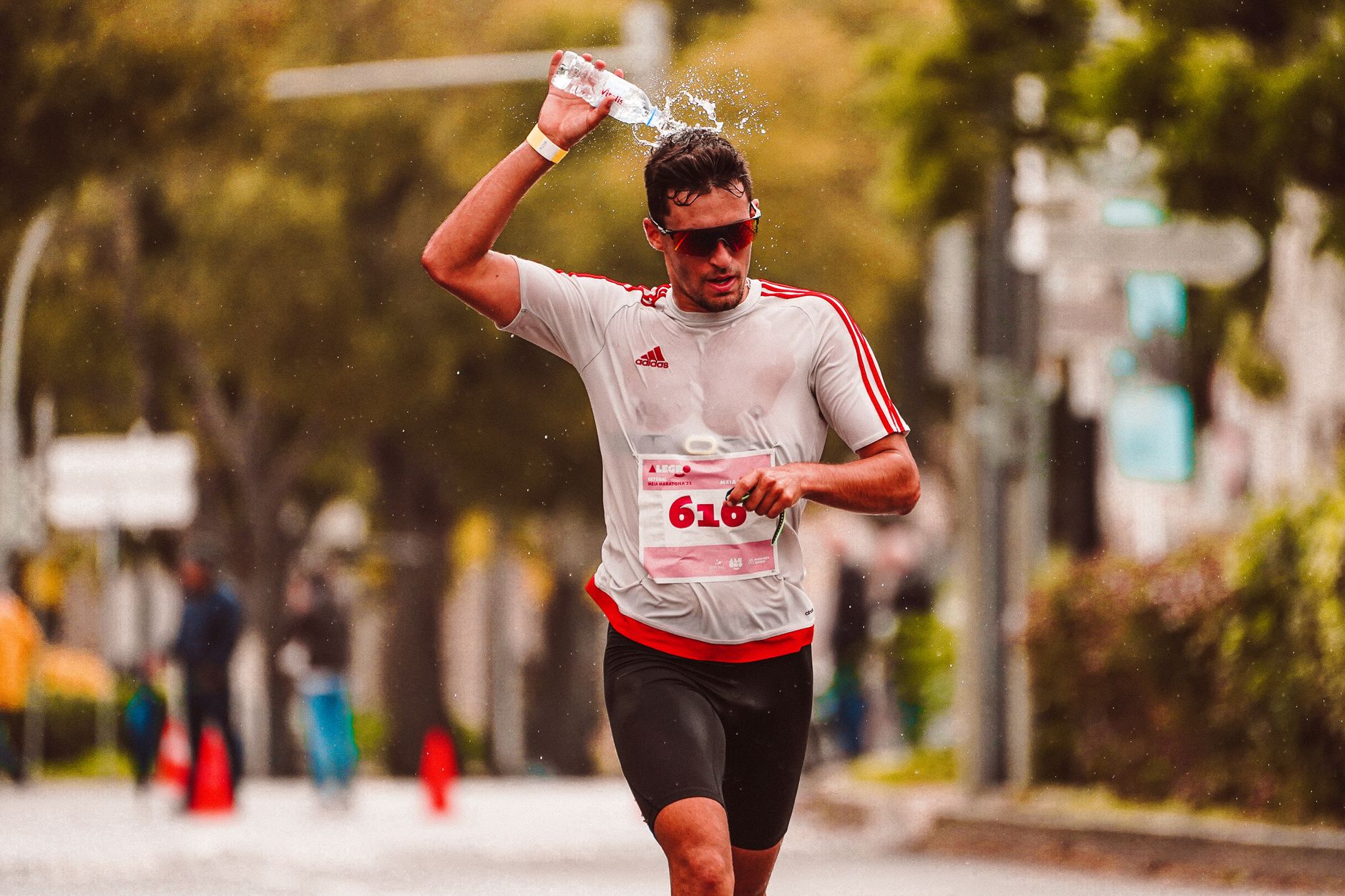
Summer marathons present unique challenges for runners, particularly regarding hydration and nutrition. As temperatures rise, ensuring your body is properly fueled and hydrated becomes crucial for achieving peak performance. This guide offers practical strategies to help you navigate the heat and successfully fuel your summer marathon.
Understanding Hydration Needs in Hot Weather
Hydration is the cornerstone of performance during summer marathons. In hot weather, your body loses fluids through sweat, leading to dehydration if not replenished adequately. Understanding your individual hydration needs is vital.
- Monitor your sweat rate: Weigh yourself before and after long runs to determine how much fluid you lose.
- Drink to thirst: Pay attention to your body’s signals; drink when you feel thirsty.
- Consider the weather: Adjust your fluid intake based on humidity and temperature.
Electrolyte Balance: Why It Matters
In addition to water, replenishing electrolytes is essential during summer runs. Electrolytes like sodium, potassium, and magnesium help maintain fluid balance, muscle function, and nerve signaling.
- Choose electrolyte-rich drinks: Look for sports drinks containing sodium and potassium.
- Use electrolyte tablets: Add them to your water for a convenient way to maintain balance.
- Incorporate salty snacks: Consuming pretzels or salted nuts can help replenish sodium levels.
Pre-Race Nutrition: Fueling Up
What you eat before your race can significantly impact your performance. Focus on carbohydrate-rich meals that are easily digestible to maximize glycogen stores without causing gastrointestinal distress.
- Opt for low-fiber foods: Avoid high-fiber meals to reduce the risk of stomach problems.
- Timing matters: Eat your pre-race meal 3-4 hours before the start to allow for digestion.
- Include familiar foods: Stick to what you know works for your body.
Fueling During the Race: Timing and Types
During the race, it's crucial to maintain energy levels. Consuming carbohydrates at regular intervals can help sustain performance. Plan your fueling strategy based on your pace and distance.
- Use gels or chews: These are easy to carry and digest quickly.
- Aim for 30-60 grams of carbs per hour: This can help maintain energy levels.
- Experiment during training: Test different products and timing to find what works best for you.
Post-Race Recovery: Rehydration and Refueling
Recovery begins as soon as you cross the finish line. Proper post-race nutrition is essential to replenish lost fluids and restore glycogen stores.
- Rehydrate with water and electrolytes: Start by drinking water, then add an electrolyte solution.
- Consume a balanced meal: Include carbs, protein, and healthy fats for optimal recovery.
- Rest and refuel: Allow your body time to recover with adequate nutrition and hydration.
Sample Nutrition and Hydration Strategy for a Summer Marathon
Having a clear plan for your marathon day can ease anxiety and help you perform at your best. Below is a sample hydration and nutrition strategy to consider.
Remember to personalize these strategies based on your preferences and experiences!
Key Takeaways
Successfully fueling for a summer marathon involves understanding your hydration needs, maintaining electrolyte balance, and planning your nutrition before, during, and after the race. By implementing these strategies, you'll be better equipped to tackle the challenges of hot weather and optimize your performance.
| Timing | Action |
|---|---|
| Day Before | Drink plenty of fluids and eat a carb-rich dinner. |
| 3-4 Hours Before | Consume a 300-400 calorie meal with carbs. |
| 30-60 Minutes Before | Take a gel with water. |
| Every 30 Minutes | Consume a gel/chew with water. |
| Immediately After | Rehydrate with water and a sports drink, eat a recovery meal. |
Frequently Asked Questions
Race with your
Inner Circle.
Create custom races and hear your friends' voice notes play automatically as you run. Real-time motivation from the people who matter most.