
Fueling Your Summer Marathon: Hydration and Nutrition
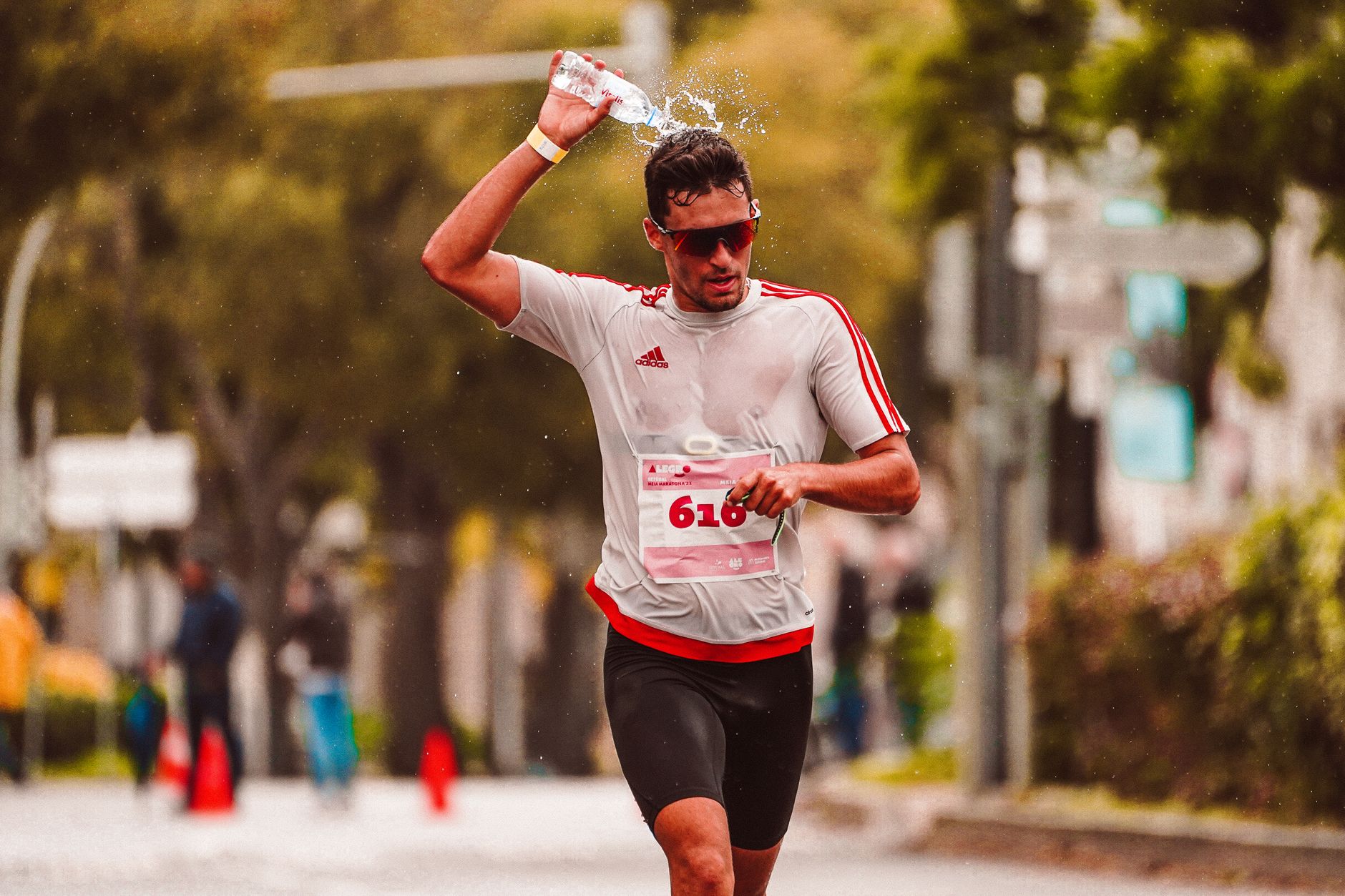
As summer approaches, marathon runners face unique challenges when it comes to hydration and nutrition. The heat can significantly impact performance, making it crucial to have a solid fueling strategy in place. This guide will provide you with practical tips to optimize your hydration and nutrition for a successful summer marathon.
Understanding Hydration Needs for Summer Marathons
During a marathon, your body loses water and electrolytes through sweat. The hotter the weather, the more fluid you'll need to replace. Understanding your hydration needs starts with evaluating your sweat rate, which varies from person to person.
- Monitor your weight before and after long runs to determine fluid loss.
- Aim to drink approximately 16-24 ounces of fluid for every pound lost.
- Consider factors such as humidity and temperature when estimating your needs.
Choosing the Right Hydration Strategy
Finding a hydration strategy that works for you is essential. Here are some effective methods to consider:
- Use a hydration pack or belt for easy access to fluids during training runs and races.
- Incorporate electrolyte drinks to replenish lost sodium and potassium.
- Practice your hydration strategy during training to avoid surprises on race day.
Nutrition Essentials for Marathon Training
Proper nutrition fuels your body for the demands of marathon training. Focus on a balanced diet that includes:
- Complex carbohydrates for energy, such as whole grains, fruits, and vegetables.
- Lean proteins to aid muscle recovery, including chicken, fish, and legumes.
- Healthy fats from sources like avocados, nuts, and olive oil for sustained energy.
Timing Your Nutrition Around Workouts
The timing of your meals and snacks is critical for optimal performance. Here’s a guideline for when to eat:
- Consume a carbohydrate-rich meal about 3-4 hours before your long run.
- Have a small snack, like a banana or energy bar, 30-60 minutes before running.
- Post-run, aim for a meal or snack containing a mix of carbohydrates and protein within 30 minutes to aid recovery.
Fueling During the Marathon
During the marathon itself, you need to replenish energy stores. Depending on your pace and duration, consider the following:
- Aim for 30-60 grams of carbohydrates per hour, which can come from gels, chews, or sports drinks.
- Test your fueling strategy during training runs to determine what sits well with your stomach.
- Be mindful of electrolyte intake, especially in hot conditions.
Long Run Nutrition Strategy
Long runs are crucial for summer marathon training. Here’s how to approach nutrition during these sessions:
- Use your long runs to practice your hydration and fueling plan.
- Start hydrating early; don't wait until you're thirsty.
- Incorporate the same gels or sports drinks you plan to use on race day.
Avoiding Common Nutrition Mistakes
Many runners make mistakes in their nutrition approach. Here are a few to avoid:
- Ignoring hydration until you feel thirsty.
- Trying new foods or drinks on race day.
- Neglecting to adjust fueling strategies based on weather conditions.
Key Takeaways
Successful hydration and nutrition strategies are essential for summer marathons. Understanding your sweat rate, timing your nutrition, and practicing your fueling strategy will set you up for race day success. Remember to stay flexible and adjust your plan based on the conditions you encounter.
| Hydration Tips | Timing/Amount |
|---|---|
| Drink 16-24 ounces for every pound lost | Before and after runs |
| Use electrolyte drinks | During runs longer than 90 minutes |
| Practice fueling during long runs | At least 3 times before race day |
| Consume carbs 3-4 hours before a run | Pre-run meal timing |
| Post-run recovery meal | Within 30 minutes after running |
Frequently Asked Questions
Race with your
Inner Circle.
Create custom races and hear your friends' voice notes play automatically as you run. Real-time motivation from the people who matter most.