
Choosing Trail Running Shoes for Ultras
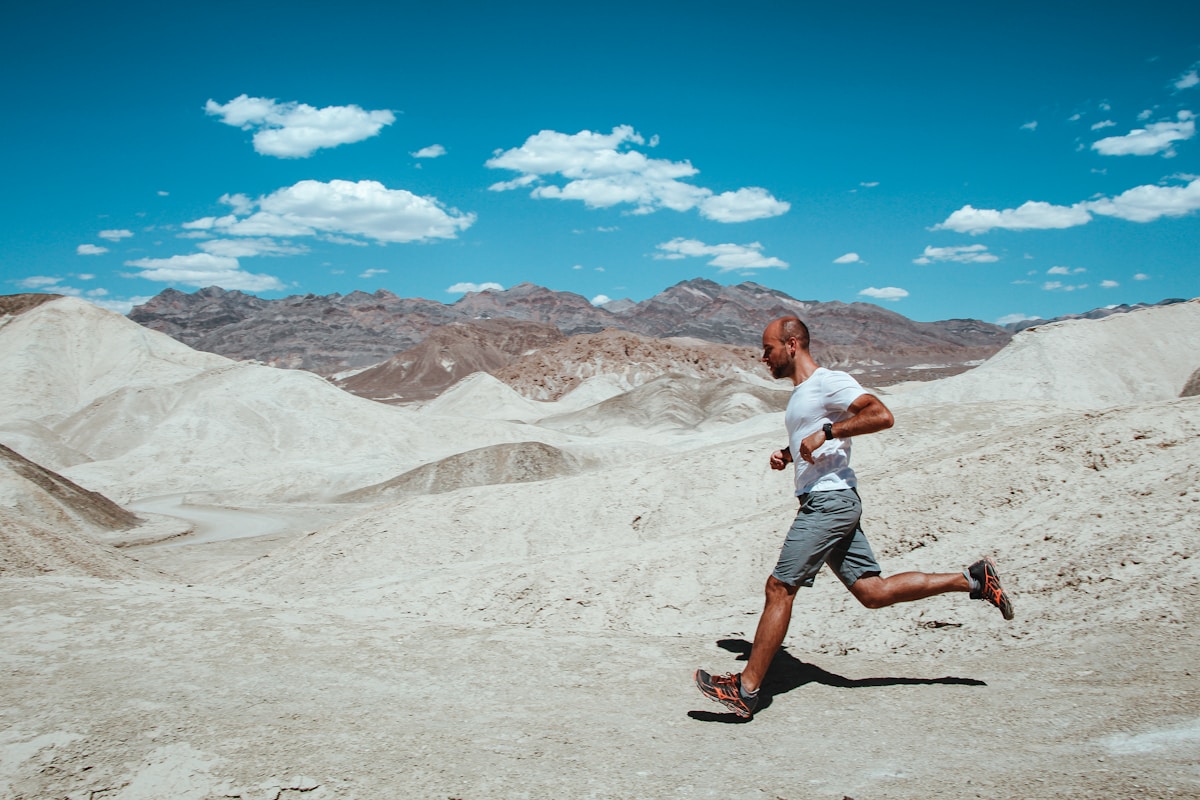
Selecting the right footwear for ultra trail running is crucial for your performance and overall experience. With long distances and challenging terrains, the right shoes can make a significant difference in comfort, support, and injury prevention.
Understanding Trail Running Shoe Features
Trail running shoes differ from road running shoes in several key areas. Here are the primary features to consider when selecting your footwear:
- Traction: Look for outsoles with aggressive lugs for grip on varied surfaces.
- Cushioning: Adequate cushioning helps absorb impact over long distances.
- Support: Choose shoes with proper arch support based on your foot type.
- Water Resistance: Consider shoes with waterproof materials for wet conditions.
- Fit: Ensure a snug fit with enough room in the toe box to prevent blisters.
Assessing Terrain and Conditions
Different trail surfaces require different shoe characteristics. Evaluate the terrain you will encounter during your ultra to choose the right shoe:
- Rocky Trails: Shoes with sturdy outsoles and additional protection.
- Mud and Wet Conditions: Shoes with deep lugs and quick-drying materials.
- Hard Pack: Lightweight shoes with flexible soles for a natural feel.
- Snow and Ice: Shoes with built-in spikes or excellent traction for grip.
Finding the Right Fit
Getting the right fit is essential for avoiding blisters and discomfort during long runs. Here are some tips to ensure a proper fit:
- Try shoes in the evening when your feet are slightly swollen.
- Wear the socks you plan to use during your ultra.
- Ensure a thumb's width of space between your longest toe and the front of the shoe.
- Walk and jog around the store to test comfort and flexibility.
Testing Your Shoes
Before your race day, it's crucial to break in your shoes. Here’s how to properly test them:
- Start with short runs on similar terrain to your ultra.
- Gradually increase your mileage while wearing them.
- Monitor for any discomfort or rubbing that could lead to blisters.
- Incorporate the shoes into longer training runs as race day approaches.
Popular Trail Running Shoes for Ultras
Here’s a comparison of some popular trail running shoes favored by ultra runners, highlighting their key features:
Consider factors like weight, cushioning, and durability when choosing a shoe.
Common Mistakes When Choosing Trail Shoes
Avoid these common pitfalls to ensure you select the best trail running shoes for your ultra:
- Ignoring terrain: Not considering the specific conditions of your race.
- Choosing style over function: Prioritizing aesthetics over performance features.
- Rushing the selection: Not allowing enough time to properly test shoes before race day.
- Forgetting about socks: Failing to consider the impact of your socks on fit and comfort.
Key Takeaways
Choosing the right trail running shoes for ultras involves understanding your terrain, ensuring a proper fit, and testing your shoes thoroughly before race day. Keep in mind the unique features of trail shoes that cater specifically to ultra distances, and avoid common pitfalls to ensure a successful race experience.
| Shoe Model | Weight (g) | Cushioning | Traction | Price ($) |
|---|---|---|---|---|
| Hoka One One Speedgoat 4 | 290 | Moderate | Excellent | 160 |
| Salomon Sense Ride 3 | 280 | Moderate | Very Good | 140 |
| Brooks Cascadia 15 | 305 | High | Good | 150 |
| Altra Lone Peak 5 | 290 | Moderate | Good | 140 |
| Saucony Peregrine 11 | 265 | Moderate | Excellent | 150 |
Frequently Asked Questions
Race with your
Inner Circle.
Create custom races and hear your friends' voice notes play automatically as you run. Real-time motivation from the people who matter most.