
Maximize Marathon Performance with Carb Loading in Heat
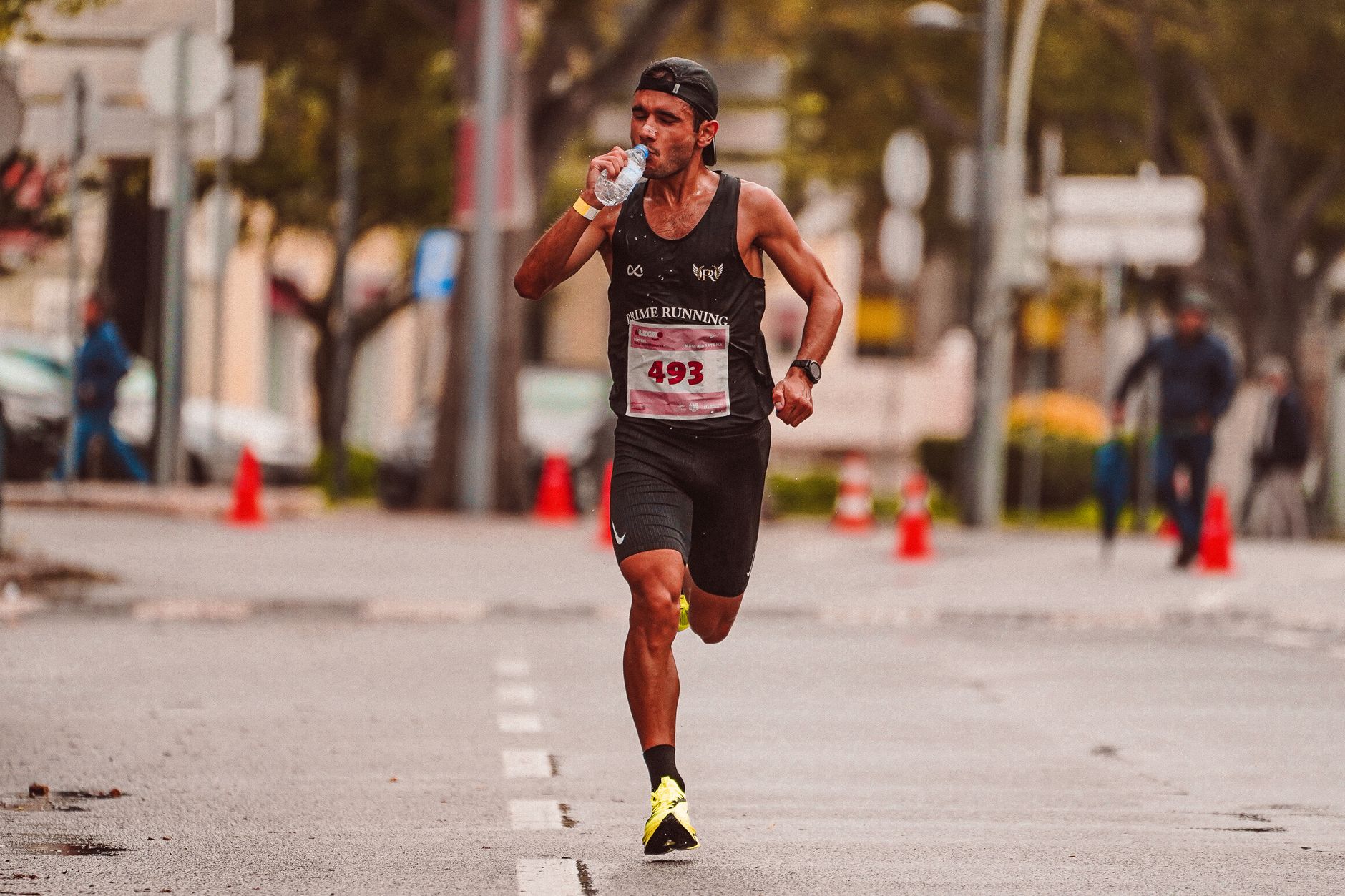
Carbohydrate loading is a crucial strategy for marathon runners, especially when racing in hot weather. It can optimize your glycogen stores, ensuring you have enough energy to sustain your performance. However, the unique challenges posed by heat require some tailored approaches to carb loading. In this guide, we’ll explore how to effectively carb load for your marathon while considering the effects of high temperatures.
Understanding Carb Loading
Carb loading involves increasing your carbohydrate intake in the days leading up to your marathon. This practice maximizes the glycogen stores in your muscles and liver, which are essential for endurance activities. Typically, runners will begin carb loading 3-4 days prior to their race, gradually increasing their carbohydrate intake while tapering their training.
Why Heat Affects Carb Loading
Hot weather can significantly impact your hydration levels and overall performance. When temperatures rise, your body requires more fluids and electrolytes to maintain optimal function. If you are carb loading in such conditions, it’s crucial to ensure that your carbohydrate choices also support hydration and digestion.
Effective Carb Loading Strategies for Hot Weather
Here are some practical strategies for carb loading effectively while racing in the heat:
- Prioritize High-Glycemic Foods: Foods like white rice, bread, and pasta can help replenish glycogen quickly.
- Incorporate Hydrating Carbs: Include fruits with high water content, such as watermelon, oranges, and cucumbers.
- Stay Hydrated: Drink plenty of fluids alongside your carb intake. Consider electrolyte drinks to maintain sodium balance.
- Avoid High-Fiber Foods: Reduce fiber intake during your carb loading phase to prevent gastrointestinal discomfort on race day.
- Monitor Portion Sizes: Eat small, frequent meals to avoid feeling overly full or bloated.
Sample Carb Loading Meal Plan
Here’s a sample meal plan for a 3-day carb loading period leading up to your marathon. This plan emphasizes hydration and energy needs for hot weather.
Hydration Considerations During Carb Loading
During your carb loading phase, it’s essential to pay attention to your hydration. Here are some tips to stay hydrated:
- Aim for 2-3 liters of water daily leading up to the race.
- Include electrolyte drinks to replenish sodium and potassium lost through sweat.
- Monitor your urine color; it should be light yellow if adequately hydrated.
- Adjust fluid intake based on weather conditions and your personal sweat rate.
Race Day: Carb Loading to Fuel Your Run
On race day, your fueling strategy should focus on easily digestible carbohydrates. Consider the following:
- Consume a carbohydrate-rich breakfast 2-3 hours before the race. Opt for low-fiber options to prevent digestive issues.
- Utilize energy gels or chews during the race for quick energy boosts.
- Incorporate hydration stations to replenish electrolytes throughout the race.
Common Mistakes to Avoid
Here are some frequent mistakes runners make while carb loading in hot weather, and how to avoid them:
- Overloading on carbs without adjusting hydration can lead to dehydration.
- Ignoring individual dietary preferences may cause gastrointestinal distress.
- Failing to taper your training while carb loading can result in fatigue rather than energy boosts.
- Neglecting to practice your fueling strategy during long runs can lead to surprises on race day.
Key Takeaways
Maximizing your marathon performance through effective carb loading in hot weather requires attention to both nutrition and hydration. By prioritizing the right types of carbohydrates, staying hydrated, and avoiding common mistakes, you can set yourself up for a successful race day.
| Day | Breakfast | Lunch | Dinner | Snacks |
|---|---|---|---|---|
| Day 1 | Oatmeal with banana | Turkey sandwich on white bread | Pasta with marinara sauce | Gatorade and fruit salad |
| Day 2 | Pancakes with syrup | Rice with chicken and veggies | Baked potato with sour cream | Granola bars and smoothies |
| Day 3 | Bagel with honey | Pasta salad with olive oil | Rice with lean protein | Energy gels and electrolyte drinks |
Frequently Asked Questions
Race with your
Inner Circle.
Create custom races and hear your friends' voice notes play automatically as you run. Real-time motivation from the people who matter most.