
Best Marathon Shoes for Beginners: A Coach's Guide
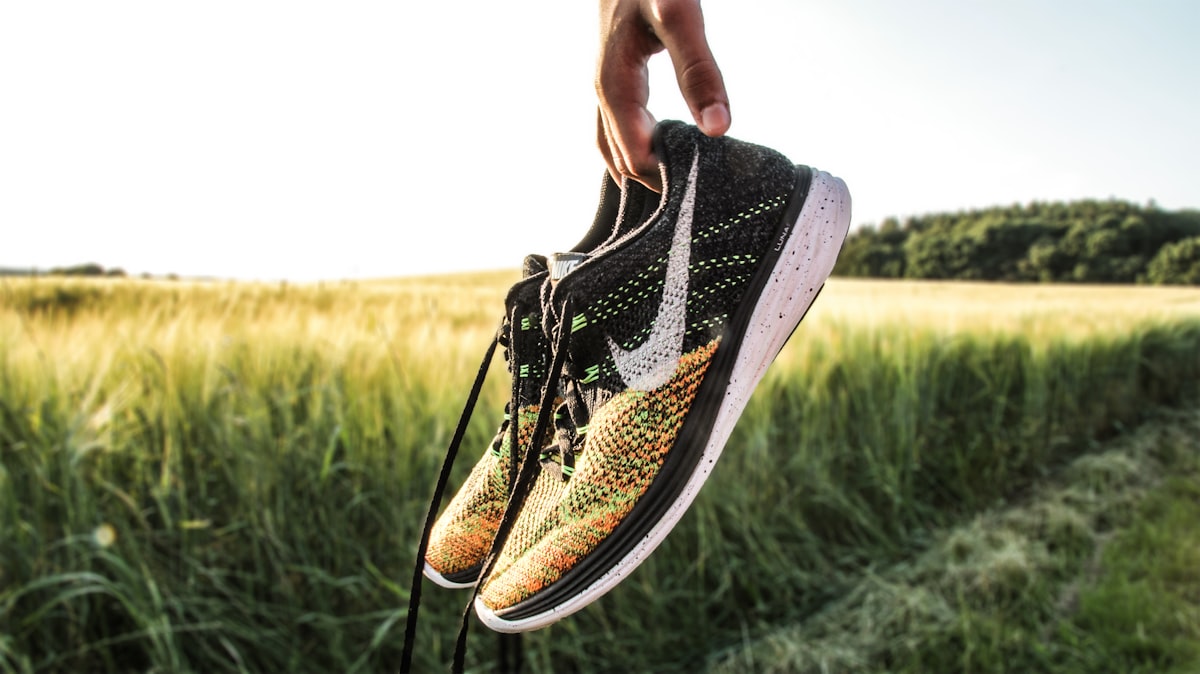
As a marathon coach, one of the most common questions I get from first-timers during their base mileage phase is: 'What shoes should I buy for my marathon?' With hundreds of options on the market, from ultra-cushioned cruisers to stiff, carbon-plated 'super shoes,' it is easy to suffer from analysis paralysis. Your choice of footwear is the most critical gear decision you will make. The right shoe will support your joints through hundreds of training miles, while the wrong shoe can lead to injury, black toenails, and a miserable race day.
For your first marathon, your primary goal is to cross the finish line healthy and strong. You do not need the ultra-aggressive, unstable shoes worn by elite athletes chasing world records on the flat streets of Berlin. Instead, you need a reliable partner that offers comfort, protection, and durability. Let's dive deep into how to select the best marathon shoes for beginners and why comfort should always trump hype.
Why Your First Marathon Shoe Matters (And What to Avoid)
When you transition from casual running to marathon training, your weekly mileage increases significantly. Your feet, ankles, knees, and hips absorb forces equivalent to several times your body weight with every single stride. During a 26.2-mile race, you will take between 30,000 and 50,000 steps. This repetitive impact is why beginner marathoners are highly susceptible to overuse injuries like plantar fasciitis, shin splints, and runner's knee.
Many beginners fall into the 'carbon plate trap.' They see elite runners smashing records and assume that buying a $250+ carbon-plated super shoe will guarantee a faster time. However, for a beginner running at a slower pacing, these shoes can actually do more harm than good. Carbon-plated shoes are highly rigid and designed for runners with immaculate form and strong lower-body mechanics. At slower paces, the lack of stability in these shoes can cause your ankles to roll inward, placing immense strain on your calves and Achilles tendons. As a coach, I advise beginners to steer clear of aggressive carbon racers for their first marathon and opt for shoes that prioritize stability and cushioning.
The Golden Rule of Marathon Shoe Fitting: Size Up
If there is one piece of advice you take away from this guide, let it be this: buy your marathon shoes at least a half-size to a full-size larger than your casual everyday shoes. When you run long distances, blood rushes to your feet, causing them to swell. If your toes are pressed against the front of your shoe during a 16-mile long run, you will quickly develop painful blisters and bruised, black toenails.
- The Thumb Rule: When standing up in your running shoes, there should be a full thumb's width of space between your longest toe and the end of the shoe.
- Check the Width: Ensure your toes have room to splay naturally. If you feel pressure on the sides of your feet, look for brands that offer wide (2E) options.
- Shop in the Afternoon: Your feet naturally swell throughout the day. Go shoe shopping in the late afternoon or after a run to get the most accurate fit.
- Account for Thick Socks: Always try on shoes with the exact technical running socks you plan to wear during your marathon training and race day.
The Anatomy of a Great Beginner Marathon Shoe
To make an informed decision, you need to understand the key components of a running shoe and how they affect your marathon journey. Here is what you should look for when analyzing shoe specs:
First, consider the midsole foam. This is the heart of the shoe, responsible for absorbing shock and returning energy. For beginners, a medium-to-high stack height (the thickness of the sole) is ideal. Modern foams, like Nike's ZoomX, Saucony's PWRRUN, or Brooks' DNA Loft, offer incredible impact protection without feeling like heavy bricks on your feet.
Second, pay attention to the heel-to-toe drop. This is the difference in height between the heel and the forefoot, typically ranging from 0mm to 12mm. A traditional high drop (8mm to 12mm) shifts more of the load away from your calves and Achilles tendons and onto your knees and hips. A low drop (0mm to 4mm) encourages a midfoot strike but requires strong calves. For most beginners, a moderate drop of 6mm to 10mm provides the safest, most balanced transition.
Top Beginner Marathon Shoe Categories for 2026
To help you navigate the wall of shoes at your local running store, I have categorized the best beginner marathon shoes into four distinct styles. Choose the category that best matches your body type, running gait, and comfort preferences.
1. The Max-Cushion Cruisers: These shoes are designed for ultimate comfort and joint protection. They feature thick slabs of plush foam that absorb maximum road vibration, making them perfect for those long, slow weekend runs where your pacing is relaxed. Popular examples include the Asics Gel-Nimbus 26 and the Brooks Glycerin 21.
2. The Stable Companions: If you overpronate (your ankles roll inward when you run), you need a shoe with structured support. Modern stability shoes no longer use stiff, painful plastic posts; instead, they use gentle guidance systems to keep your feet aligned as you fatigue. The Saucony Guide 17 and the Hoka Arahi 7 are excellent choices that provide subtle, non-intrusive support.
3. The Daily Workhorses: If you want a single shoe that can handle everything from quick mid-week fartlek workouts to your weekend long runs, look for a versatile daily trainer. These shoes offer a perfect balance of durability, cushioning, and responsiveness. The Nike Pegasus 41 and the Brooks Ghost 16 are legendary workhorses that have guided thousands of beginners across the finish line.
4. The Beginner-Friendly Plated Options: If you want some of the energy-saving benefits of a plated shoe without the instability of a carbon racer, look for a shoe with a flexible nylon plate. These shoes offer a bouncy, fun ride that helps you maintain your pacing when your legs get tired, but they are far more forgiving on beginner muscles. The Saucony Endorphin Speed 4 is the gold standard in this sub-category.
How to Rotate Your Shoes During Training
While it is entirely possible to train for a marathon in a single pair of shoes, I highly recommend implementing a two-shoe rotation if your budget allows. Rotating your shoes is one of the easiest ways to prevent overuse injuries and extend the lifespan of your footwear.
By wearing different shoes, you alter the repetitive stress on your muscles and joints slightly with each run. For example, you can use a highly cushioned shoe for your long recovery runs, and a lighter, more responsive shoe for your mid-week tempo runs and fartleks. This subtle variation allows tired muscles to recover while others take the load.
Additionally, running shoe foam needs time to decompress. If you run in the same shoe day after day, the foam does not have time to fully bounce back, which reduces its shock-absorbing capabilities and shortens the shoe's lifespan. Giving your shoes a 24-to-48-hour rest between runs ensures you get the maximum cushioning every time you lace up.
The 100-Mile Rule: Breaking in Your Race Day Shoes
A classic beginner mistake is saving a brand-new pair of shoes for race day, opening the box the night before the marathon. This is a recipe for disaster. Brand-new shoes can cause unexpected hot spots, blisters, or arch pain that you didn't experience during your training.
Conversely, you do not want to run your marathon in shoes that are completely worn out. Most running shoes lose their structural integrity and cushioning after 300 to 500 miles. Running a marathon in dead shoes increases your risk of injury and muscle fatigue.
Coach's Rule of Thumb: Buy your race day shoes about 4 to 6 weeks before your marathon. Put approximately 50 to 100 miles on them during your peak training weeks, including at least one long run of 15+ miles. This ensures the shoes are perfectly broken in, your feet are accustomed to them, and they still have 100% of their cushioning life left for the big day.
Coach's Summary: Step-by-Step Selection Blueprint
To wrap things up, let us simplify your shoe-buying process into four actionable steps. Follow this blueprint to find your perfect match for the 2026 season:
- Assess Your Gait: Visit a local specialty running store to have your stride analyzed. Determine if you are a neutral runner or if you need a stability shoe.
- Prioritize Comfort Over Aesthetics: Do not buy a shoe just because you like the colorway or because a famous influencer wears it. If it doesn't feel like an extension of your foot within the first 30 seconds of putting it on, move on.
- Size Up Generously: Ensure there is a thumb's width of space at the toe. Your feet will thank you at mile 20.
- Test on a Long Run: Use your training block to test your shoes. If you experience persistent hot spots or joint pain during your weekly long runs, do not hesitate to exchange them before tapering begins.
| Shoe Category | Ideal Runner Profile | Key Benefit | Popular 2026 Examples |
|---|---|---|---|
| Max-Cushion Cruiser | Runners prioritizing joint protection and comfort | Maximum shock absorption for long, slow runs | Asics Gel-Nimbus 26, Brooks Glycerin 21 |
| Stable Companion | Runners who overpronate or need arch support | Prevents ankle rolling and guides stride alignment | Saucony Guide 17, Hoka Arahi 7 |
| Daily Workhorse | Runners wanting one durable shoe for all training | Excellent balance of durability, cushion, and price | Nike Pegasus 41, Brooks Ghost 16 |
| Nylon-Plated Trainer | Beginners wanting a faster feel without stiffness | Propulsive, energy-saving ride that aids pacing | Saucony Endorphin Speed 4 |
Frequently Asked Questions
Race with your
Inner Circle.
Create custom races and hear your friends' voice notes play automatically as you run. Real-time motivation from the people who matter most.