
Fueling for FKT: Nutrition Strategies for Ultrarunners
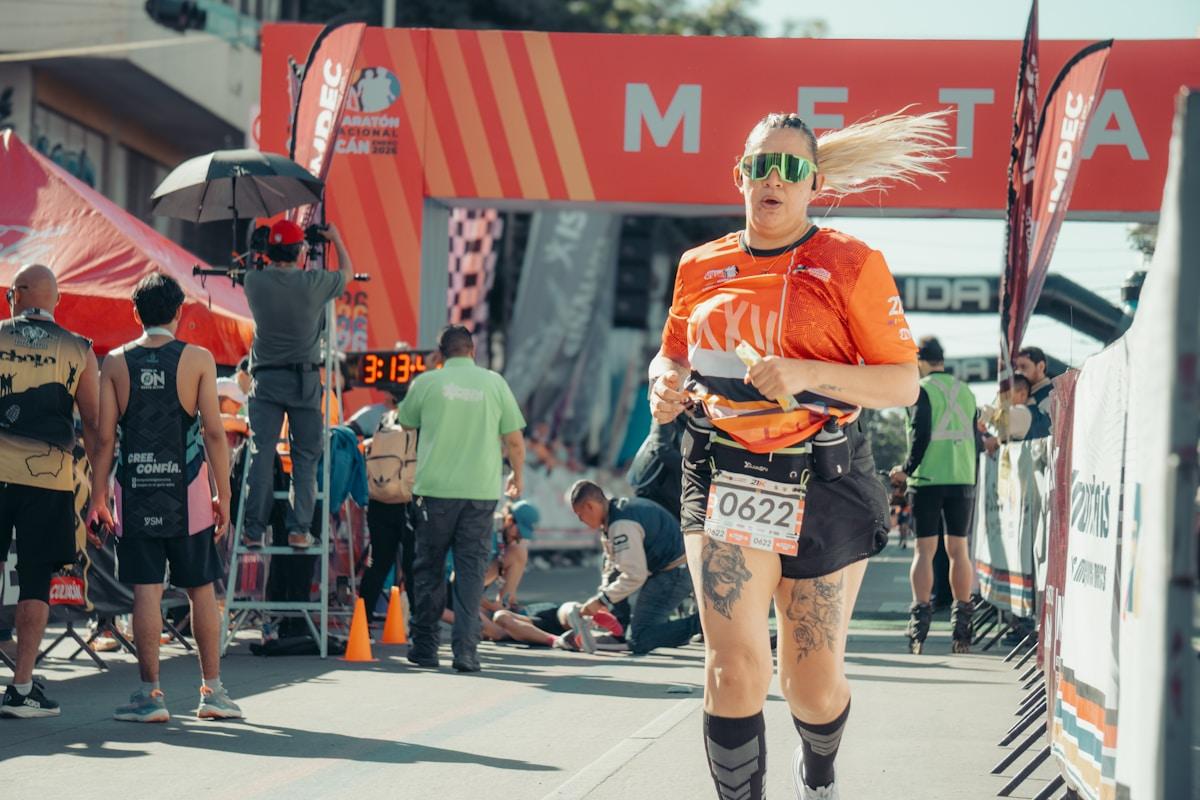
When it comes to ultrarunning, especially when attempting a Fastest Known Time (FKT), your nutrition strategy is just as crucial as your training. Unlike traditional marathons, where you might have a set fueling plan based on a specific time frame, FKTs can require adaptability and a nuanced understanding of your body’s needs over extended periods. Here's a comprehensive look at how to effectively fuel on race day to maximize your performance.
Understanding FKT Demands
FKT attempts can vary significantly in distance and terrain, from smooth trails to rugged mountains. This variability impacts not only your energy needs but also your hydration and electrolyte requirements. Understanding the specific demands of your FKT route is crucial. Consider the following factors:
- Total distance and expected completion time
- Elevation gain and loss
- Weather conditions (temperature, humidity)
- Terrain type (technical trails vs. smooth paths)
Caloric Needs on Race Day
For ultrarunners, caloric needs can range from 200 to 800 calories per hour, depending on intensity and individual metabolism. Here’s how to estimate your needs:
- Calculate your Basal Metabolic Rate (BMR) to understand your resting caloric needs.
- Factor in your expected activity level during the race to estimate total caloric burn.
- Test your fueling strategy during long training runs to find your optimal intake.
Types of Fuel for Ultrarunning
When it comes to race day fuel, it's essential to have a variety of options to meet your needs. Here are common types of fuel that ultrarunners use:
- Energy gels: Convenient and easy to digest.
- Chews: Offer a chewy texture and varied flavors.
- Whole foods: Bananas, nut butters, or sandwiches for solid options.
- Electrolyte drinks: Important for hydration and replenishing lost salts.
Hydration and Electrolyte Balance
Staying hydrated is critical for performance and avoiding cramping. The goal is to replace lost fluids and electrolytes as you run. Here’s how to manage hydration effectively:
- Drink to thirst: Monitor your body and drink when thirsty.
- Monitor urine color: Light yellow indicates good hydration; dark yellow means you need more fluids.
- Use electrolyte supplements: Products containing sodium, potassium, and magnesium can help maintain balance.
Timing Your Fuel Intake
Knowing when to fuel is just as important as what you fuel with. A well-timed intake can prevent energy crashes and maintain performance. Here’s a suggested approach:
- Start fueling early: Begin taking in calories 30-45 minutes into your run.
- Aim for a consistent intake: Try to consume 100-300 calories every hour, adjusting based on your personal needs.
- Practice during long runs: Experiment with different timings and fuels to find your optimal schedule.
Testing Your Nutrition Strategy
Before race day, it’s essential to test your nutrition strategy during long training runs. This helps you identify what works best for your body and minimizes surprises on race day. Here are some tips for testing:
- Replicate race conditions: Use the same terrain and weather conditions you expect on race day.
- Experiment with different fuels: Try various brands and types of fuel to see what feels right.
- Adjust your hydration plan: Test how much and how often you need to drink.
Common Nutrition Mistakes to Avoid
Even seasoned ultrarunners can make mistakes when it comes to fueling. Here are common pitfalls to watch out for:
- Waiting too long to fuel: Delaying intake can lead to energy crashes.
- Overhydrating: Drinking too much can lead to hyponatremia (low sodium levels).
- Sticking to a single fuel type: Variety can help avoid gastrointestinal distress.
Key Takeaways
Fueling for an FKT is a dynamic process that requires careful planning and execution. By understanding your caloric needs, testing your nutrition strategy, and avoiding common mistakes, you can optimize your performance on race day. Remember, what works for one runner may not work for another, so prioritize finding what works for you through practice.
| Fuel Type | Calories per Serving | Best Use |
|---|---|---|
| Energy Gel | 90-100 | Quick energy boost |
| Chews | 100-120 | Steady energy during runs |
| Banana | 105 | Natural carbs and potassium |
| Nut Butter | 190 | Sustained energy and healthy fats |
| Electrolyte Drink | 50-100 | Hydration and electrolyte balance |
Frequently Asked Questions
Race with your
Inner Circle.
Create custom races and hear your friends' voice notes play automatically as you run. Real-time motivation from the people who matter most.