
Essential Gear Checklist for Ultramarathon Training
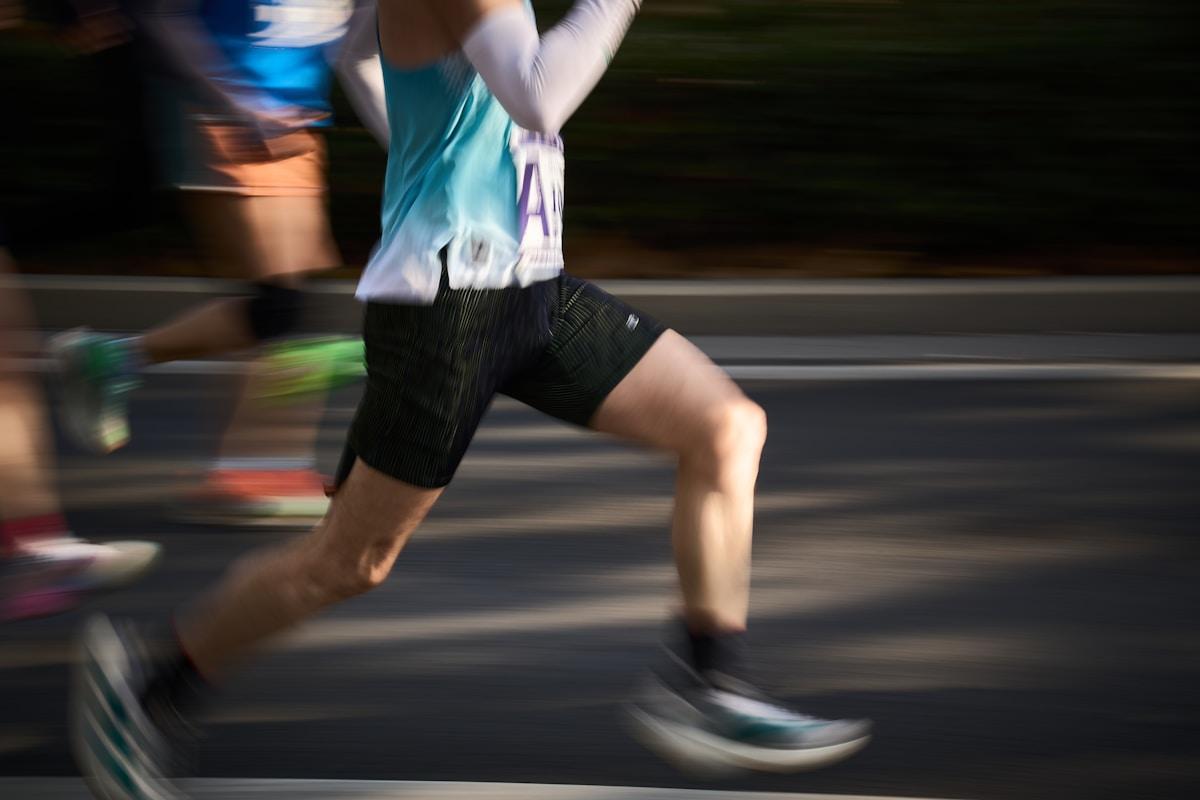
Preparing for an ultramarathon is a unique challenge that goes beyond standard marathon training. With distances often exceeding 26.2 miles, the right gear is crucial for both performance and comfort. This guide will walk you through the essential gear checklist for ultramarathon training, covering everything from shoes to nutrition.
1. Choosing the Right Running Shoes
The foundation of your ultramarathon gear is undoubtedly your running shoes. Look for shoes that provide ample cushioning, support, and durability, as you'll be logging many miles during your training.
- Opt for shoes with a wide toe box to accommodate swelling during long runs.
- Consider trail shoes if your ultramarathon includes technical terrain.
- Test shoes on long runs to ensure comfort and fit.
2. Clothing for Comfort and Performance
Choosing the right clothing can have a significant impact on your performance and comfort during an ultramarathon. Your clothing should be moisture-wicking, breathable, and comfortable.
- Look for technical fabrics that wick moisture away from your skin.
- Wear a hat or visor to shield yourself from the sun.
- Invest in a good pair of running socks to prevent blisters.
3. Hydration Systems for Long Distances
Staying hydrated is critical when training for an ultramarathon. Depending on your preference, you can choose from various hydration systems.
- Hydration packs: Great for carrying water and nutrition on long runs.
- Handheld bottles: Convenient for easy access to hydration.
- Hydration belts: Provide a lightweight option for carrying water and small items.
4. Nutrition: Fueling Your Training
Proper nutrition is vital during ultramarathon training. You'll need to replenish your energy stores regularly during long runs.
- Energy gels: Easy to carry and quick to consume.
- Snack bars: Look for ones high in carbs and protein.
- Real food: Consider items like bananas, peanut butter sandwiches, or trail mix.
5. Essential Gear for Weather Conditions
Adapting your gear to the weather conditions is essential for comfort and performance. Prepare for both sunny and rainy days.
- Lightweight jackets: A packable rain jacket is great for unexpected weather.
- Sunglasses: Protect your eyes from UV rays.
- Arm sleeves: Useful for varying temperatures during long runs.
6. Recovery Gear to Support Your Training
Recovery is critical in ultramarathon training, and the right gear can make a difference.
- Foam rollers: Help ease muscle soreness after long runs.
- Compression socks: Aid in recovery and improve circulation.
- Massage tools: Consider handheld massagers for targeted relief.
7. Race Day Gear Preparation
As race day approaches, ensure you have all your gear ready to go. A checklist can help you avoid any last-minute issues.
- Create a race day gear checklist to ensure nothing is forgotten.
- Pack spare gear in case of unexpected weather.
- Test everything in training prior to race day to ensure comfort.
Key Takeaways
Equipping yourself with the right gear for ultramarathon training is essential for success. From shoes to snacks, each piece plays a vital role in your performance and comfort. Ensure to test your gear during training to find the right fit and functionality.
| Gear Type | Recommended Item |
|---|---|
| Running Shoes | Cushioned and supportive shoes |
| Clothing | Moisture-wicking shirts and breathable shorts |
| Hydration | Hydration pack or handheld bottle |
| Nutrition | Energy gels and snack bars |
| Recovery | Foam roller and compression socks |
Frequently Asked Questions
Race with your
Inner Circle.
Create custom races and hear your friends' voice notes play automatically as you run. Real-time motivation from the people who matter most.