
Mastering Nutrition Timing for Marathon Training
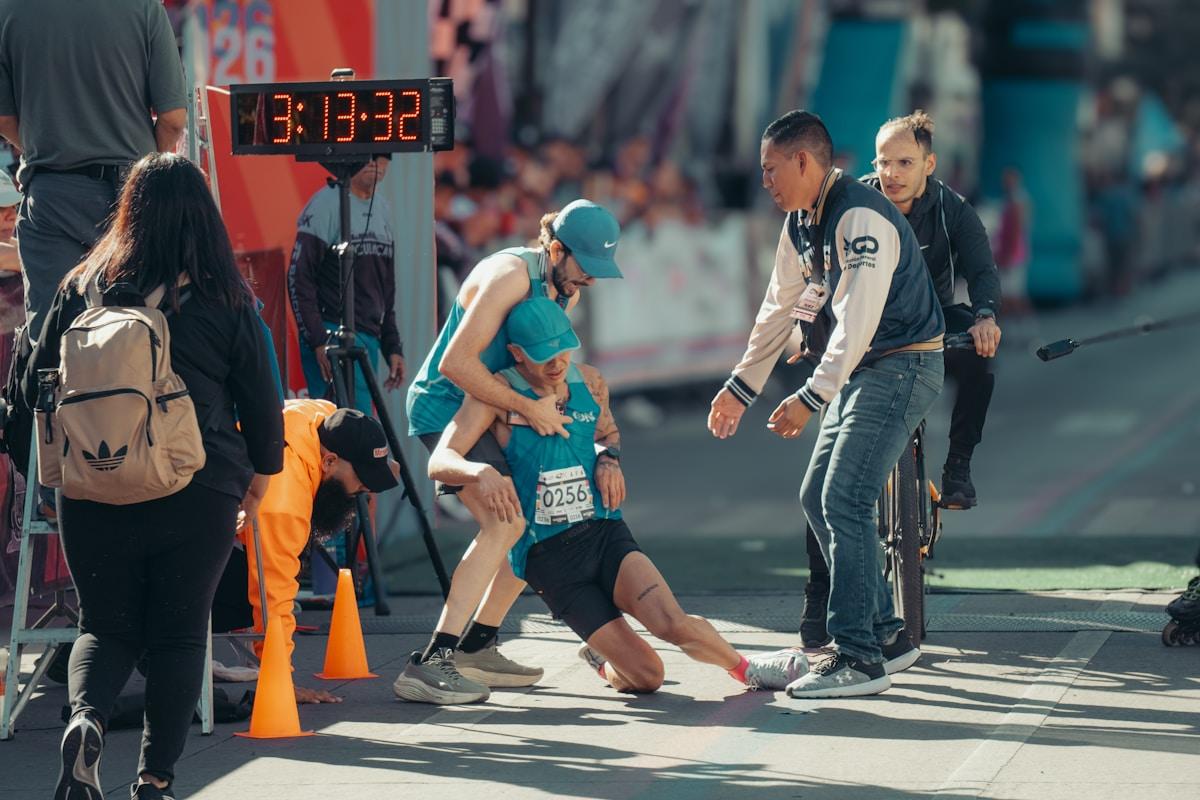
Nutrition timing is crucial for marathon training, impacting performance, recovery, and overall success on race day. Properly timing your meals and snacks can help you fuel effectively, recover faster, and avoid common pitfalls.
Understanding the Basics of Nutrition Timing
Nutrition timing refers to strategically planning when to eat and drink in relation to your training sessions and race schedule. This includes pre-training meals, during-run fueling, and post-run recovery nutrition. Each of these phases plays a vital role in your performance and recovery.
Pre-Run Nutrition: Fueling Your Training
What you consume before your runs can significantly affect your energy levels and performance. Here are some guidelines for pre-run nutrition:
- Aim for a balanced meal 3-4 hours before your run, consisting of carbohydrates, protein, and healthy fats.
- Consume easy-to-digest carbohydrates, such as a banana or toast with peanut butter, 30-60 minutes before running.
- Experiment with different foods during training to identify what works best for you.
During-Run Nutrition: Keeping Your Energy Up
For runs longer than 90 minutes, it's essential to refuel during the workout. Here’s how to effectively manage your nutrition:
- Consume 30-60 grams of carbohydrates per hour during long runs.
- Use gels, chews, or sports drinks that you have tested during training.
- Stay hydrated but avoid drinking too much at once; sip regularly instead.
Post-Run Nutrition: Recovery is Key
Recovery nutrition is critical for muscle repair and replenishing glycogen stores. Here’s how to optimize your post-run nutrition:
- Consume a recovery meal within 30-60 minutes post-run, focusing on carbohydrates and protein.
- Aim for a 3:1 ratio of carbs to protein to maximize glycogen replenishment.
- Consider smoothies, protein shakes, or whole food meals with lean protein and carbs.
Hydration Timing: Don't Overlook Fluid Intake
Hydration is an integral part of nutrition timing. Proper hydration supports performance and recovery. Follow these guidelines:
- Start hydrating early; drink water consistently throughout the day.
- During long runs, aim for 16-24 ounces of fluid per hour, adjusting based on heat and humidity.
- After your run, replace lost fluids with water or electrolyte drinks.
Personalizing Your Nutrition Timing Strategy
Everyone's body reacts differently to food and timing. Here’s how to personalize your nutrition strategy:
- Keep a food journal to track what you eat and how it affects your performance.
- Test different foods and timings during training runs to find your optimal strategy.
- Adapt your nutrition plan based on your training phase, intensity, and personal preferences.
Common Nutrition Timing Mistakes
Avoiding common pitfalls can enhance your training and performance. Watch out for these mistakes:
- Skipping meals before long runs, leading to energy depletion.
- Overeating or undereating during runs, causing digestive issues.
- Neglecting recovery nutrition, leading to prolonged fatigue and muscle soreness.
Key Takeaways
Mastering nutrition timing can significantly enhance your marathon training experience. Focus on pre-run nutrition to fuel your workouts, maintain energy levels during runs with proper fueling strategies, and prioritize recovery to aid in muscle repair. Personalize your approach based on your body's responses, and avoid common pitfalls to ensure your race day performance is at its peak.
| Timing | Nutrition Focus | Example Foods |
|---|---|---|
| 3-4 hours before run | Balanced meal | Oatmeal with banana and nuts |
| 30-60 minutes before run | Easy-to-digest carbs | Banana, toast with honey |
| During run (every hour) | 30-60 grams carbs | Gels, chews, sports drinks |
| Post-run (30-60 minutes) | Recovery meal | Smoothie with protein powder, fruit |
Frequently Asked Questions
Race with your
Inner Circle.
Create custom races and hear your friends' voice notes play automatically as you run. Real-time motivation from the people who matter most.