
Maximize Marathon Performance: Nutrition for Hot Weather
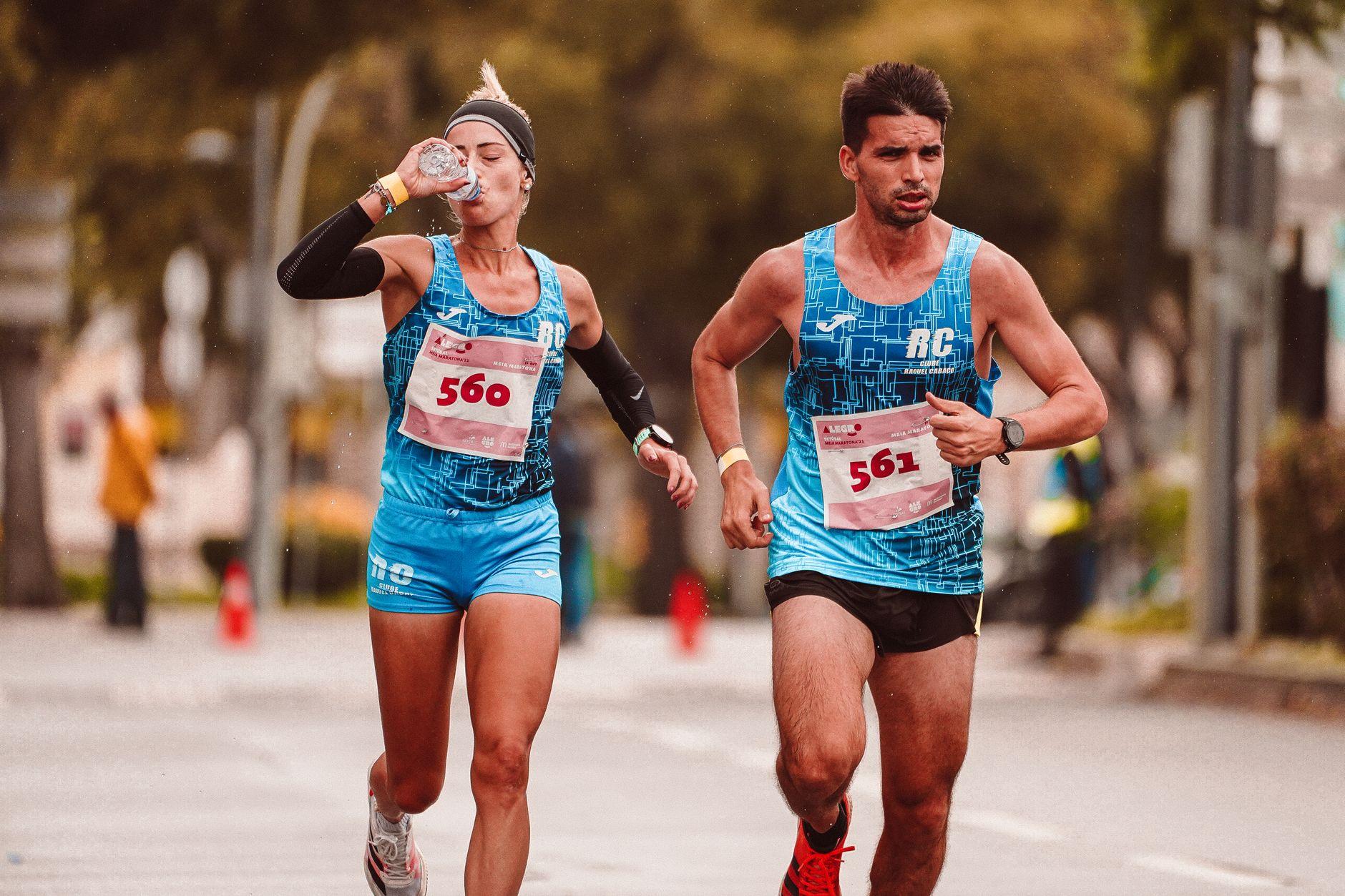
Running a marathon in hot weather presents unique challenges that require careful planning and execution. To maximize your performance, you need to focus on effective nutrition and hydration strategies tailored to the heat. In this guide, we'll cover essential techniques to ensure you’re fueled and hydrated for success on race day.
Understanding the Impact of Heat on Performance
Heat can significantly affect your running performance by increasing your risk of dehydration, heat exhaustion, and impaired thermoregulation. When temperatures rise, your body has to work harder to cool itself, diverting energy away from your muscles. Here's how to understand this impact:
- Increased heart rate: As your body temperature rises, your heart rate will increase to help cool you down, affecting your endurance.
- Higher sweat rates: You’ll lose more fluids and electrolytes through sweat, increasing the need for proper hydration.
- Risk of dehydration: Even mild dehydration can lead to decreased performance and increased fatigue.
Pre-Race Nutrition for Hot Weather
In the days leading up to your marathon, focus on a balanced diet that prioritizes carbohydrates, proteins, and healthy fats, while also considering the heat. Here are some tips:
- Carbohydrate loading: Increase your carb intake to 70% of your total calories in the three days before the race to maximize glycogen stores.
- Stay hydrated: Begin hydrating well in advance. Aim for at least 2-3 liters of water daily in the days leading up to the race.
- Electrolyte balance: Include foods rich in sodium, potassium, and magnesium to prepare your body for fluid loss.
Hydration Strategies During the Race
Proper hydration during a hot weather marathon is crucial. Here’s how to stay hydrated effectively on race day:
- Drink early and often: Start hydrating at the beginning of the race, aiming for about 7-10 ounces every 15-20 minutes.
- Use electrolyte drinks: Opt for sports drinks containing sodium and potassium to replace lost electrolytes.
- Monitor hydration status: Pay attention to your body. Signs of dehydration include dark urine, dizziness, and fatigue.
Fueling Strategies for a Hot Weather Marathon
Fueling during the marathon is essential to maintain energy levels and prevent bonking. Here’s how to fuel effectively in the heat:
- Use gel packs or chews: Consume easily digestible carbohydrates every 30-45 minutes to maintain energy levels.
- Experiment in training: Test different fueling options during long runs to find what works for you.
- Avoid heavy meals pre-race: Stick to easily digestible foods like toast with honey or a banana before the race.
Post-Race Recovery Nutrition
After completing your marathon, your focus should shift to recovery. Proper post-race nutrition helps replenish lost nutrients and aids muscle repair. Consider the following:
- Rehydrate: Drink water and electrolyte-rich beverages immediately after the race.
- Refuel with protein and carbs: Aim for a 3:1 ratio of carbs to protein in your post-race meal (e.g., a smoothie with banana and protein powder).
- Include anti-inflammatory foods: Opt for foods like berries, nuts, and leafy greens to help reduce inflammation.
Common Nutrition Mistakes in Hot Weather Races
Avoiding common pitfalls can help ensure your success during hot weather marathons. Here are mistakes to watch out for:
- Neglecting hydration: Failing to drink enough fluids before and during the race.
- Over-fueling: Consuming too many gels or sports drinks can lead to stomach discomfort.
- Ignoring symptoms: Not paying attention to signs of dehydration or heat exhaustion.
Key Takeaways
Maximizing your marathon performance in hot weather is all about strategic nutrition and hydration. By preparing properly and being mindful of your body’s needs, you can run your best race even in challenging conditions.
| Strategy | Details |
|---|---|
| Hydration Before Race | Aim for 2-3 liters of water daily. |
| Hydration During Race | Drink 7-10 ounces every 15-20 minutes. |
| Fueling During Race | Consume carbs every 30-45 minutes. |
| Post-Race Hydration | Rehydrate with water and electrolytes. |
| Post-Race Nutrition | Focus on 3:1 carbs to protein ratio. |
Frequently Asked Questions
Race with your
Inner Circle.
Create custom races and hear your friends' voice notes play automatically as you run. Real-time motivation from the people who matter most.